Why Is It Called Apán? The Story Behind the Name
Thomas Tovar
Founder, Red Road Wellness
When people first encounter Apán, one of the most common questions is simply: what does that name mean, and where does it come from? It's not a scientific classification, not a brand invention, and not a common name you'll find indexed in standard mushroom databases. Apán is a traditional name — and that distinction matters.
A Name from Sahaptin Tradition
The full traditional designation is Tawtnúk Apán. This is the name used by the Sahaptin Indian people of the Columbia Plateau to refer to this specific wild mushroom. Within the Sahaptin language and cultural tradition, the mushroom carries a specific identity tied to its ceremonial role, its harvest context, and its place in traditional medicine.
Apán, used alone, is the shorter familiar form — the equivalent of a first name in an everyday reference. Shiaqga is another traditional name used for the same mushroom within Sahaptin-speaking communities. Both names point to the same plant, and both carry the same cultural weight.
Why Red Road Wellness Uses This Name
Red Road Wellness was founded by Thomas Tovar with an explicit commitment to honoring the Indigenous knowledge traditions that identified and worked with this mushroom long before it was a supplement ingredient. Using the name Apán — rather than inventing a commercial brand name or referring only to a Latin species classification — is an expression of that commitment.
Thomas was introduced to this mushroom through traditional channels, by practitioners who knew its name, its traditional uses, and the cultural context surrounding it. The decision to carry that name into the product was not incidental — it was intentional.
What the Name Tells You About the Product
The name Apán signals something about sourcing. This is not a generic "mushroom blend" drawing on laboratory-cultivated mycelium on grain. It is a specific wild-harvested mushroom, harvested from native habitat, recognized within a specific cultural tradition by a specific name that carries meaning.
In a supplement market where ingredient sourcing is frequently obscured and mushroom products are often difficult to distinguish from each other, a name rooted in traditional knowledge provides a different kind of anchor — not a regulatory claim, but a cultural provenance.
Shiaqga, Tawtnúk, Apán: Three Names, One Mushroom
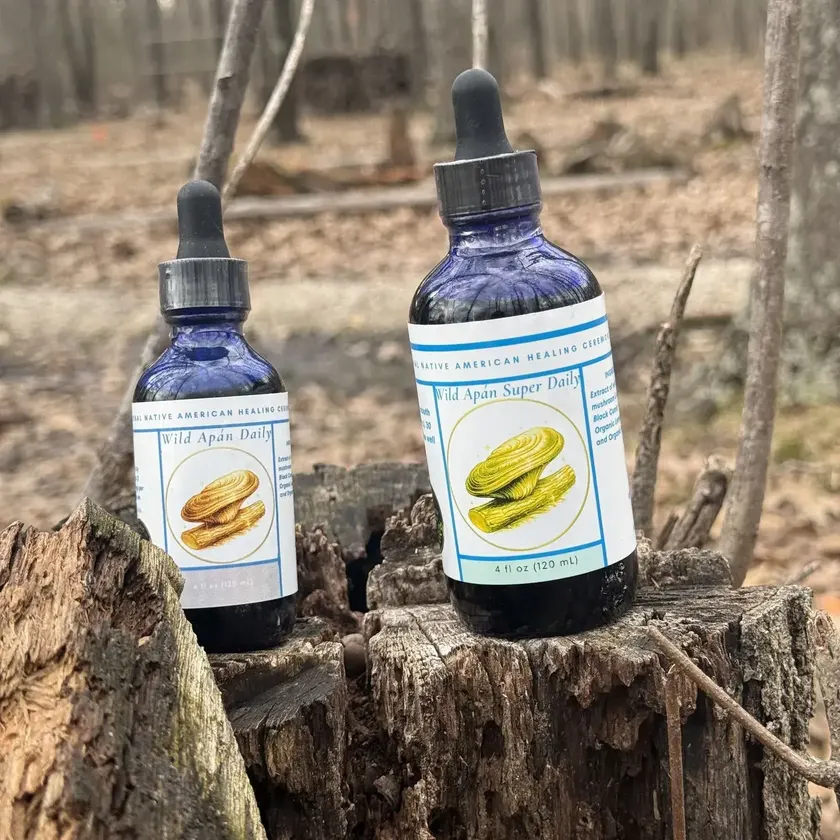
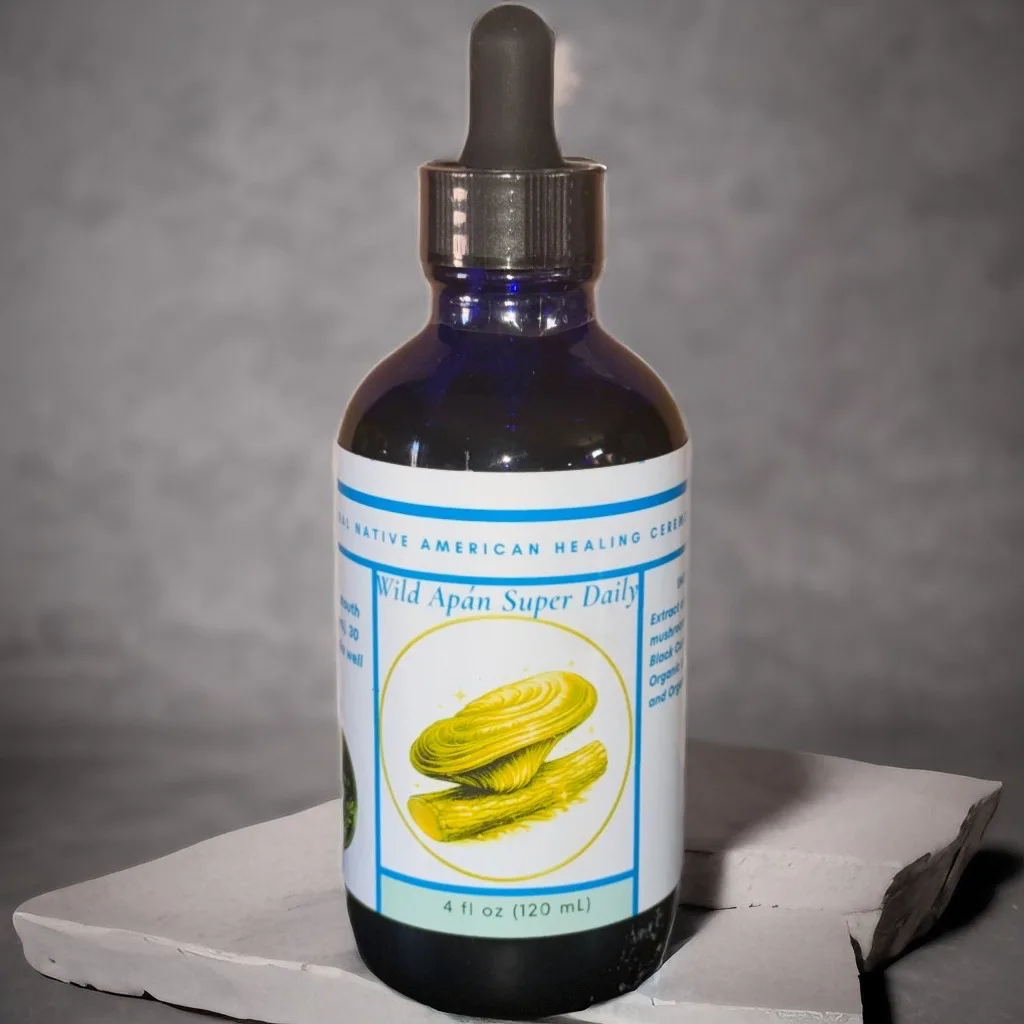
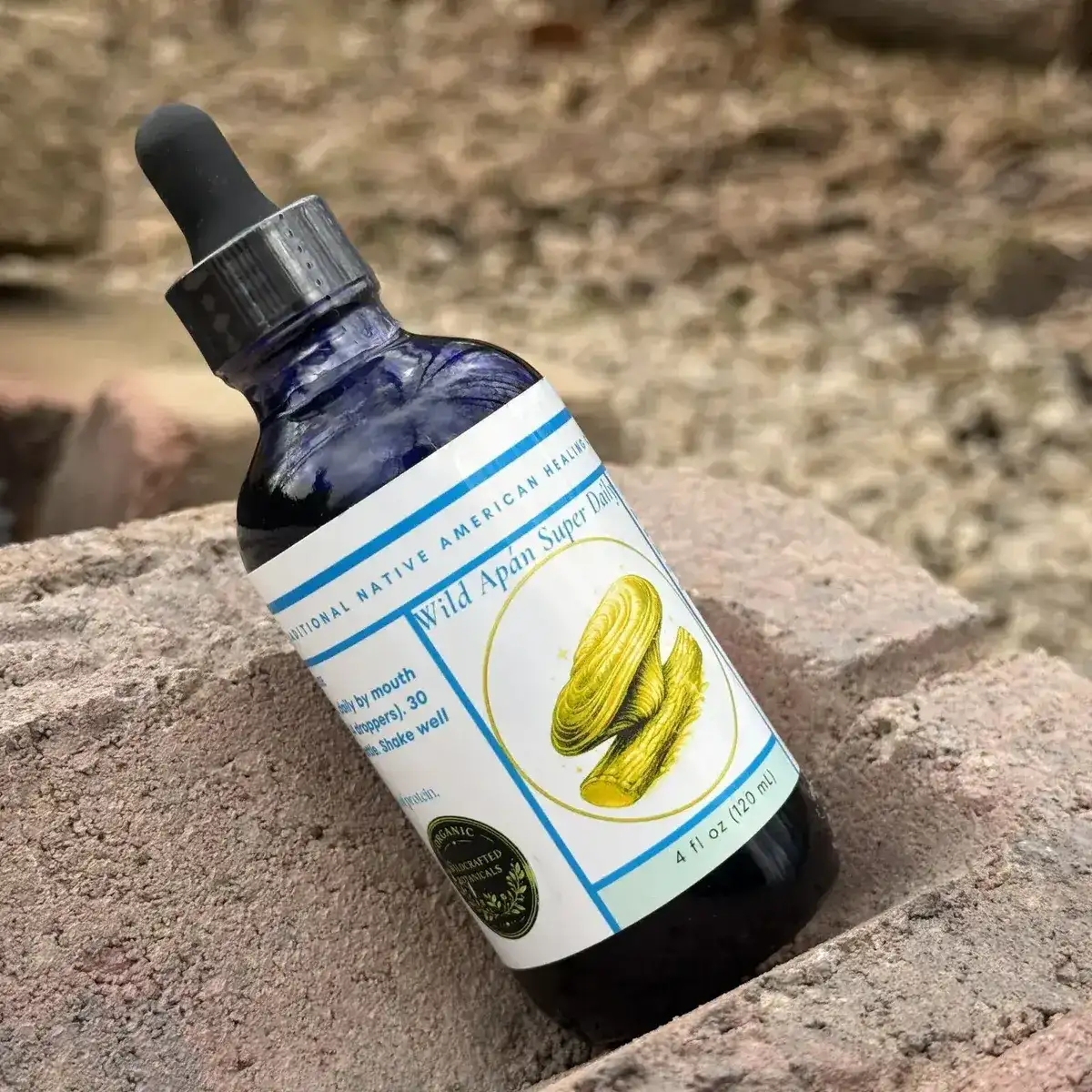
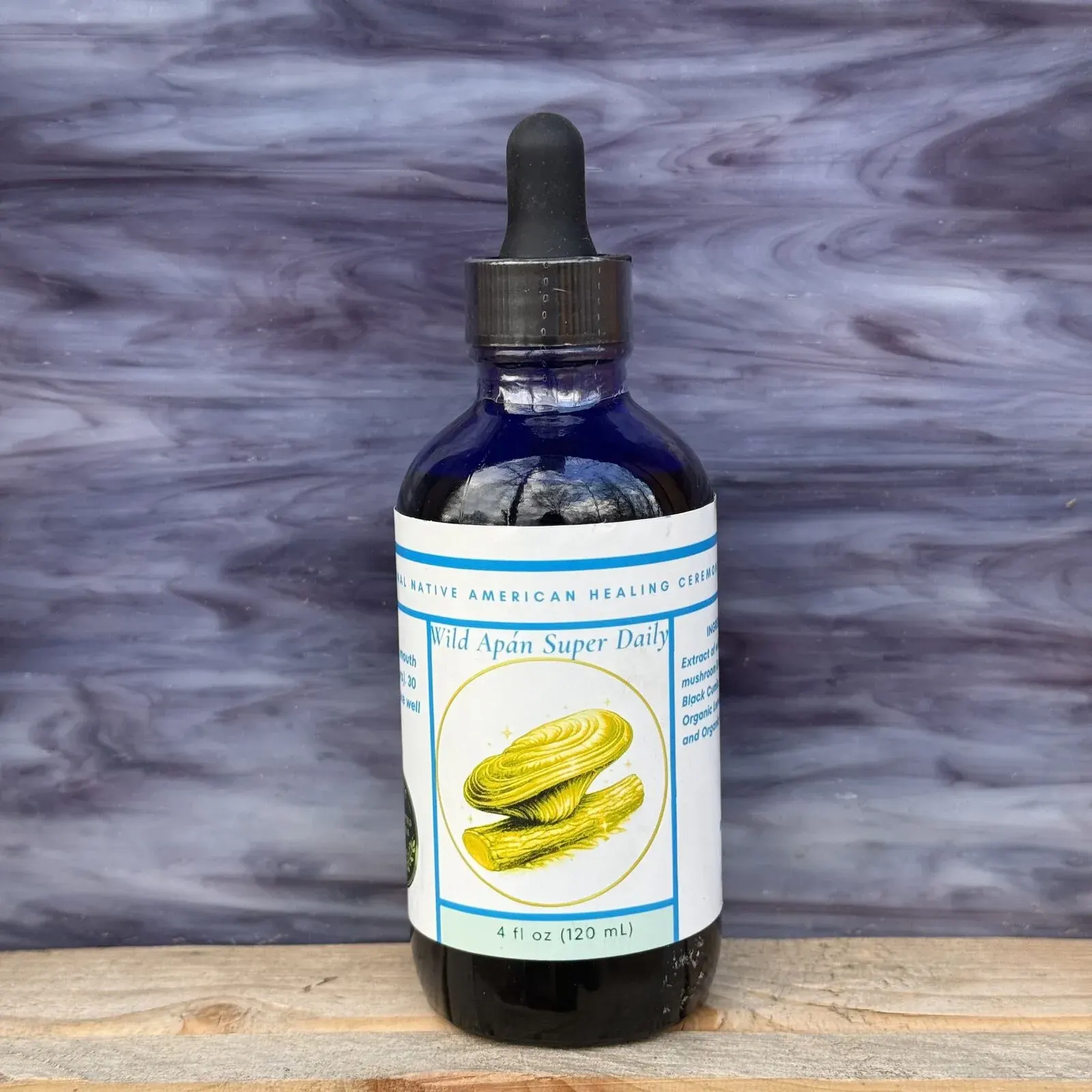
For those researching across different sources, it helps to know that Shiaqga, Tawtnúk Apán, and Apán all refer to the same mushroom. You will see Tawtnúk Apán in some of our educational materials, and Apán on our product labels. These are not competing names — they are the same tradition, expressed in slightly different contexts.
Why the Name Is Not Just a Marketing Decision
There is an important distinction between branding and provenance. A company can name a product anything — Vitalix, ImmunoBoost, MushroomPrime — and market it however they choose. What they cannot easily do is attach an authentic traditional name to a product that doesn't come from that tradition without the claim falling apart under scrutiny. The name Apán is not easily fabricated. It comes from real people in a real place, and Red Road Wellness's use of it reflects an actual sourcing relationship with those who hold that knowledge.
Thomas Tovar has spoken publicly about being introduced to this mushroom through traditional channels, by individuals who had not shared this knowledge widely — and about the responsibility that came with that introduction. The name Apán on a label is not just a differentiator. It's an indication that the product's origin story is real, documented, and traceable to a specific indigenous practice in the Pacific Northwest.
What to Look for When Researching Apán
Because Apán and Shiaqga are traditional names rather than Latin species designations, standard supplement databases and academic search engines often return limited results for these terms directly. The more productive research approach is to look at the documented properties of the mushroom class — particularly its beta-glucan content, polysaccharide composition, and fruiting body extraction method — and to read accounts from practitioners who have worked with this mushroom in its traditional context.
Red Road Wellness's Research Library provides a starting point for the scientific literature on the botanical ingredients that accompany the Apán mushroom in our formulas — Black Cumin, Sacred Frankincense, and the beta-glucan research that informs our extraction approach. Pairing that scientific reading with the practitioner testimonials and personal accounts on this site will give you the most complete picture of what Apán is and why it is used the way it is.
Tags
Thomas Tovar
Founder, Red Road Wellness
Thomas Tovar is the founder of Red Road Wellness, a Missouri-based botanical supplement company dedicated to honoring the wellness traditions of the Sahaptin peoples. His work focuses on wild-harvested Apán mushroom supplementation and educational content that helps people make truly informed health decisions.