Wild-Harvested vs. Farmed Mushrooms: Why Sourcing Defines the Supplement
Red Road Wellness Research Team
Botanical Supplement Researchers
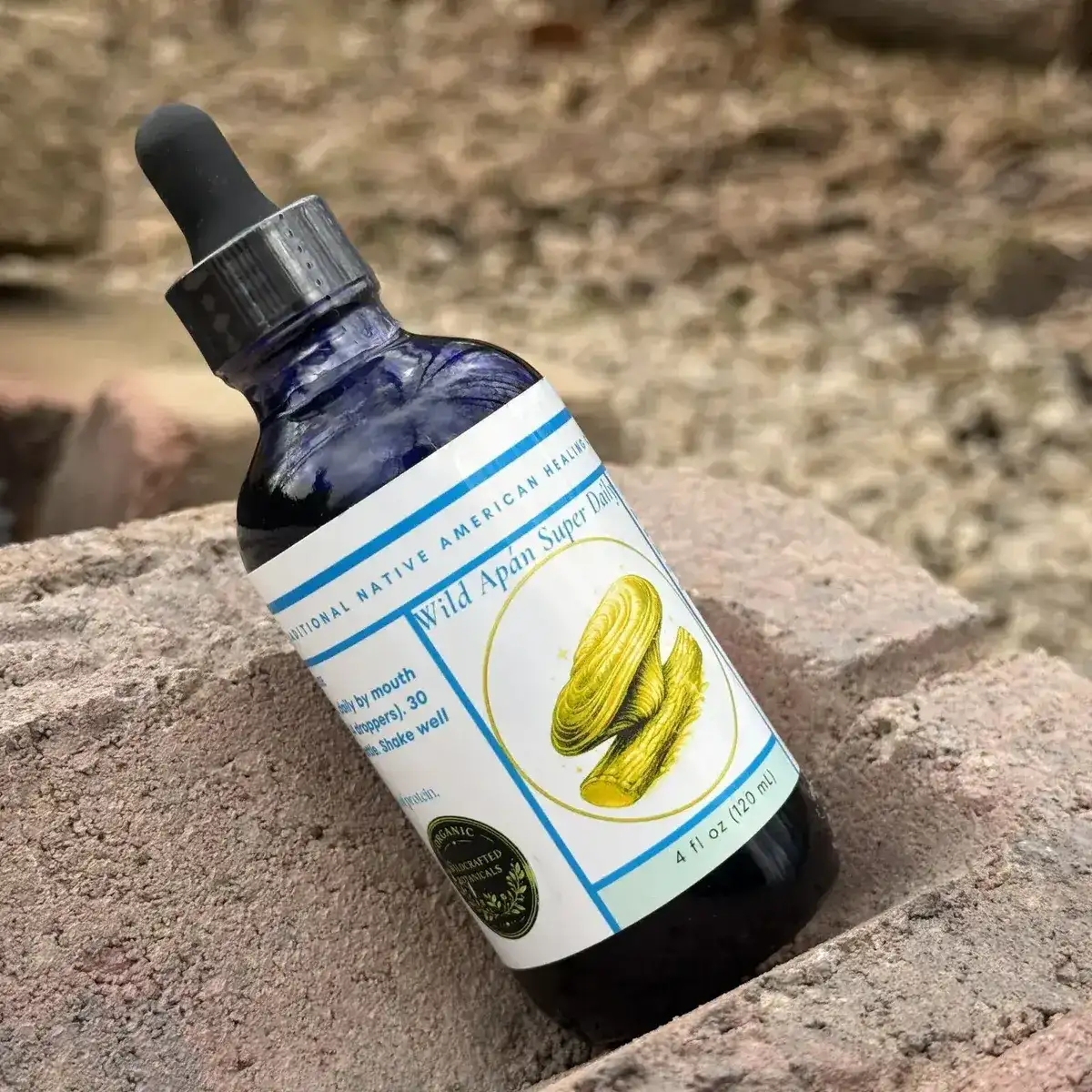
The supplement aisle doesn't make sourcing easy to evaluate. Nearly every mushroom product presents itself with imagery of forests and ancient traditions — but behind most of those labels is a very different reality: indoor cultivation facilities growing mycelium on bags of brown rice or sawdust.
The distinction between wild-harvested and farmed mushrooms isn't a matter of aesthetics. It's a meaningful difference in the chemistry of the final product.
What 'Wild-Harvested' Actually Means
A genuinely wild-harvested mushroom grows without human cultivation assistance, in its native ecological habitat, shaped by seasonal stress, temperature variation, competition with neighboring organisms, and natural substrate (fallen logs, forest soil, living trees). These conditions are irreproducible in a controlled indoor environment.
Farmed mushrooms — which represent the vast majority of the supplement market — are cultivated in carefully controlled environments. Yield, not potency, is typically optimized. Growth cycles are accelerated. Substrates are standardized. While this makes production economical and predictable, it removes many of the stressors believed to drive the development of complex bioactive compounds.
The Chemistry of Stress
Mushrooms produce beta-glucans, triterpenes, and other bioactive compounds as survival mechanisms — responses to environmental challenge, pathogen pressure, and competition. The hypothesis, supported by emerging research, is that wild mushrooms subjected to genuine environmental stressors develop a more complex and bioactive secondary metabolite profile than their cultivated counterparts.
The Mycelium-on-Grain Problem
Much of the mushroom supplement market relies on a production method called mycelium on grain (MOG): mushroom mycelium is grown on a grain substrate (usually rice or oats), then the entire mixture — grain included — is dried and processed into powder.
The problem is straightforward. When you test MOG products for beta-glucan content using standard assay methods, a significant portion of what registers as 'polysaccharides' is actually grain starch — not mushroom beta-glucans. Independent testing has found some popular MOG supplements contain more starch than actual mushroom-derived compounds.
- Fruiting body products consistently outperform MOG products in standardized beta-glucan assays.
- Some MOG products have tested at under 1% actual beta-glucan content.
- The label term 'polysaccharides' does not distinguish mushroom beta-glucans from grain starch.
- Third-party certificates of analysis from reputable labs are the only reliable verification.
Fruiting Body vs. Mycelium: A Clear Hierarchy
Fruiting bodies — the recognizable mushroom cap and stem — are where the densest concentrations of bioactive compounds accumulate in the fungal life cycle. Products made from fruiting bodies (as opposed to mycelium or fermented mycelium) have a substantially stronger evidence base in the research literature.
What Proper Extraction Requires
Even with high-quality fruiting body material, extraction method determines bioavailability. Mushroom cell walls are made of chitin — the same material in insect exoskeletons — which human digestive systems cannot break down efficiently. Hot-water extraction breaks open chitin cell walls and releases beta-glucans into a bioavailable form. Alcohol extraction is additionally used to isolate fat-soluble compounds like triterpenes.
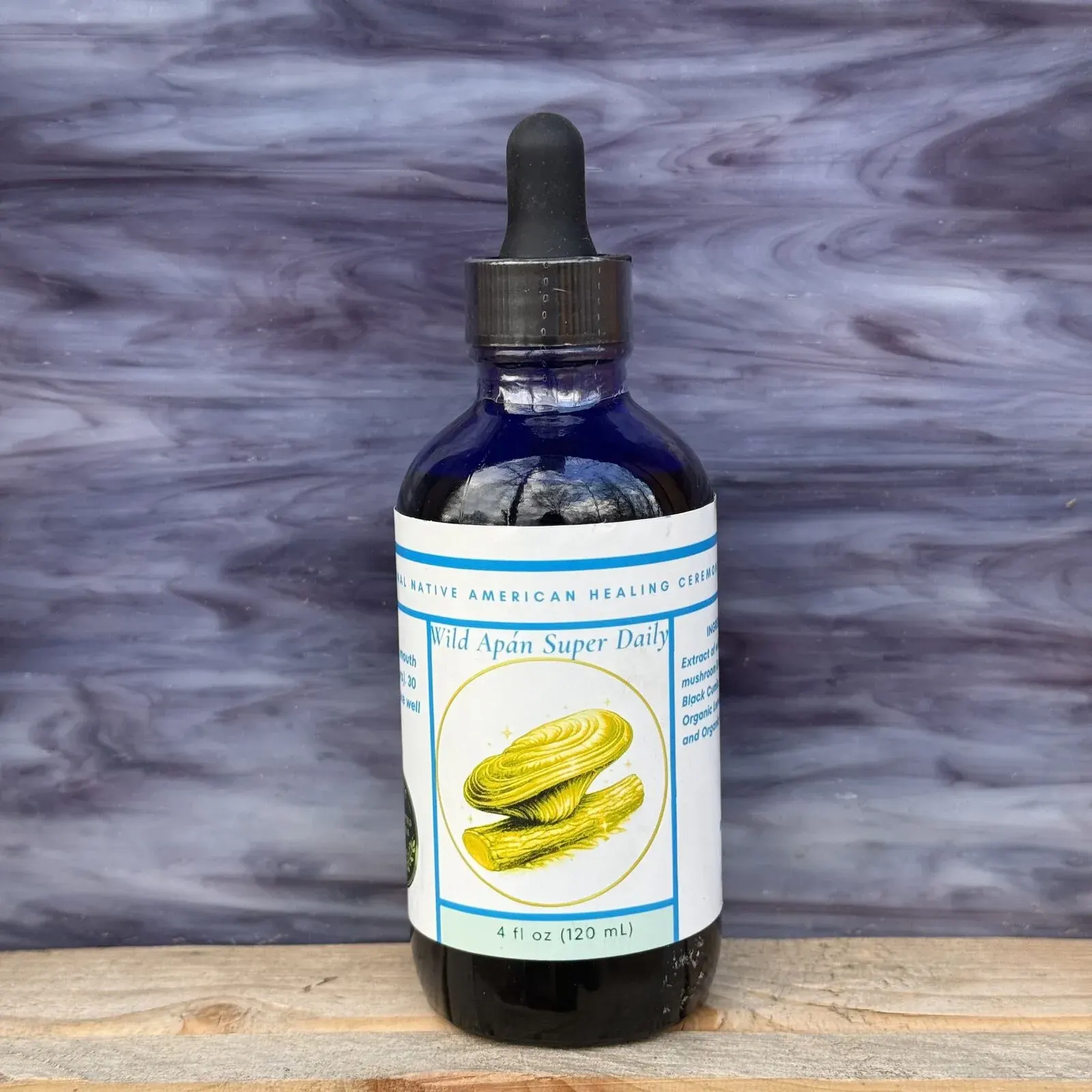
Featured Product
Genuinely Wild-Harvested
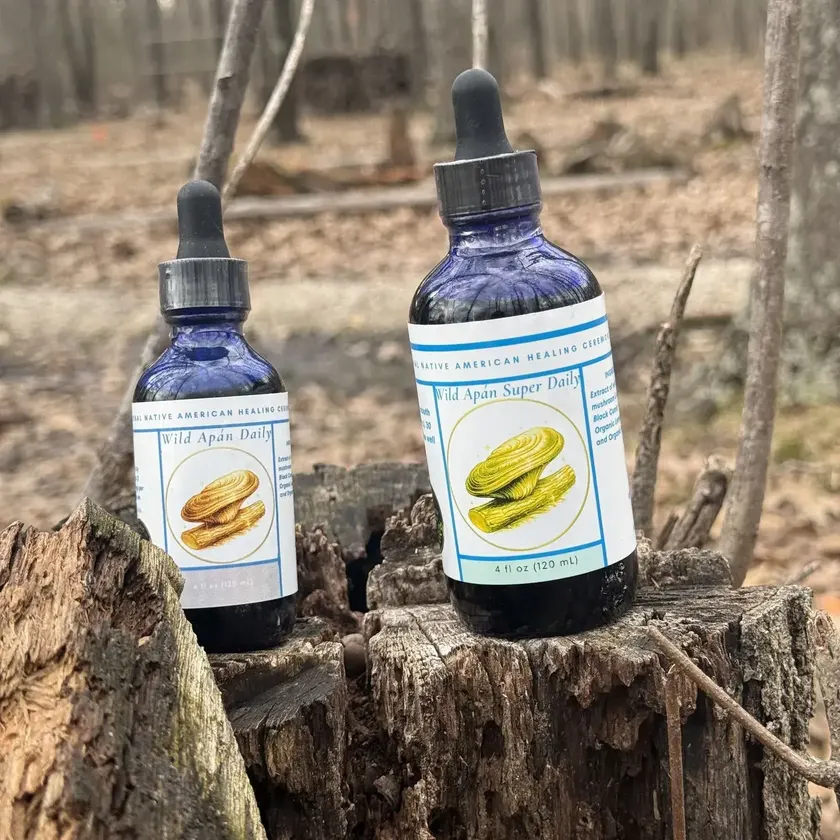
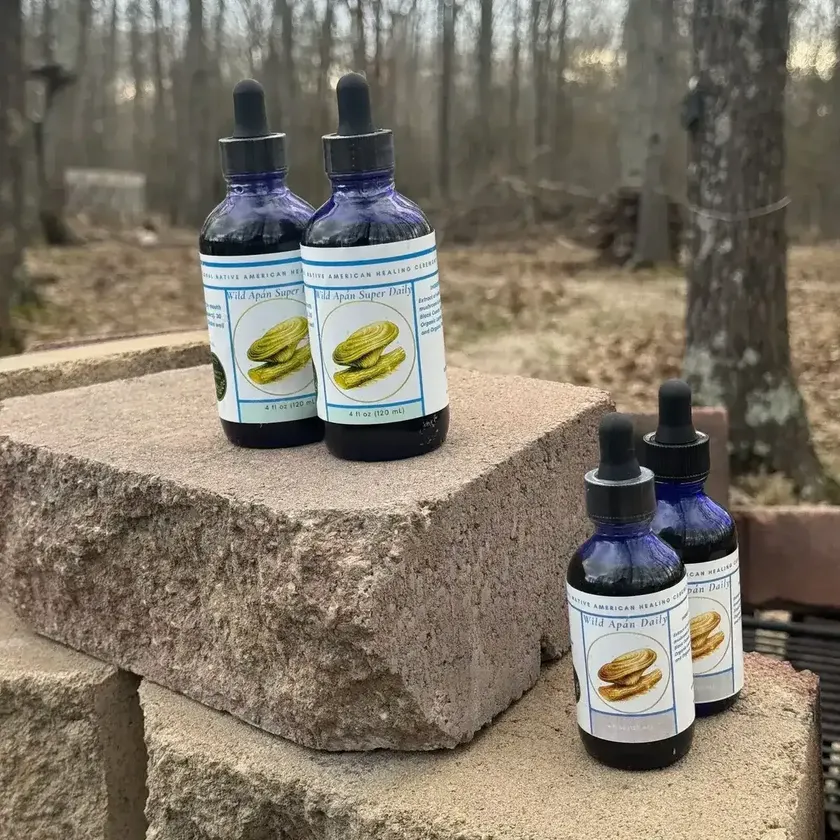
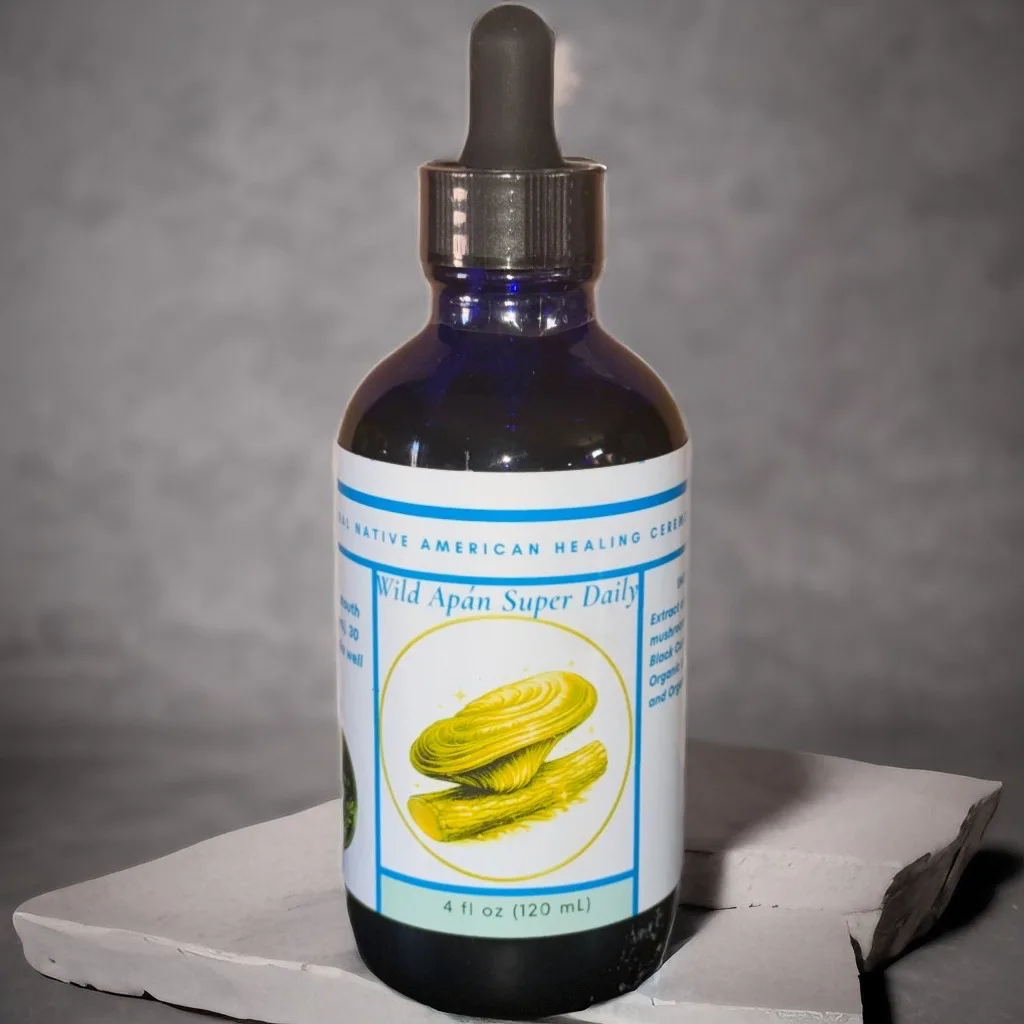
Apán Super Daily uses wild-harvested Apán mushroom fruiting bodies — not mycelium on grain. No filler. No standardized monocultures. The botanical complexity that only comes from fungi grown on their own terms.
The Bottom Line
Wild-harvested and farmed mushrooms are not interchangeable categories when it comes to supplement formulation. The environmental conditions, part of the fungus used, and extraction method all determine whether a product contains biologically meaningful quantities of the compounds you're paying for.
Tags
Red Road Wellness Research Team
Botanical Supplement Researchers
Red Road Wellness is a Missouri-based botanical supplement company founded on reverence for Indigenous plant traditions and wild-harvested ingredients. Our content team curates wellness articles to reflect the science behind our formulas — accurately, with appropriate context, and with full FDA/FTC compliance.