What Are Beta-Glucans? The Science Behind Mushroom Immune Support
Red Road Wellness Research Team
Botanical Supplement Researchers
If you've spent any time researching mushroom supplements, you've almost certainly encountered the term beta-glucan. It appears on product labels, in scientific literature, and across wellness publications. But what actually is a beta-glucan — and does the research support the enthusiasm surrounding it?
Beta-Glucans: A Brief Definition
Beta-glucans (β-glucans) are a class of polysaccharides — long-chain carbohydrates — found naturally in the cell walls of fungi, oats, barley, and certain yeasts. The specific type found in mushrooms, known as (1→3),(1→6)-β-D-glucan, has been studied more extensively than any other form in the context of immune regulation.
What makes mushroom-derived beta-glucans particularly interesting is not their energy value — they're largely indigestible — but rather their interaction with immune receptors in the gut and bloodstream. They're essentially recognized by the immune system as a signal worth paying attention to.
How Beta-Glucans Interact with the Immune System
The immune system has a class of receptors — most notably Dectin-1 and complement receptor 3 (CR3) — that specifically recognize beta-glucan molecules. When immune cells (particularly macrophages, natural killer cells, and dendritic cells) bind to beta-glucans through these receptors, a cascade of signaling events follows.
- Macrophage activation: Beta-glucans prime macrophages to become more alert and responsive, without triggering unnecessary inflammatory signaling.
- Natural killer cell priming: NK cells, which identify and neutralize abnormal cells, show enhanced activity following beta-glucan exposure in multiple studies.
- Cytokine modulation: Beta-glucans influence the production of cytokines — the chemical messengers the immune system uses to coordinate responses.
- Complement pathway: Some beta-glucan research suggests interaction with the complement system, which plays a role in pathogen recognition and clearance.
Critically, the consensus in the research is that beta-glucans don't simply 'boost' immune function — a term that implies more is always better. Instead, they appear to act as biological response modifiers, supporting immune balance rather than pushing immune activity in one direction.
Not All Beta-Glucans Are Equal
This is where supplement quality becomes a meaningful conversation. The beta-glucan content and bioactivity of mushroom supplements varies significantly based on species, substrate (what the mushroom was grown on), part of the fungus used, and extraction method.
Species Matter
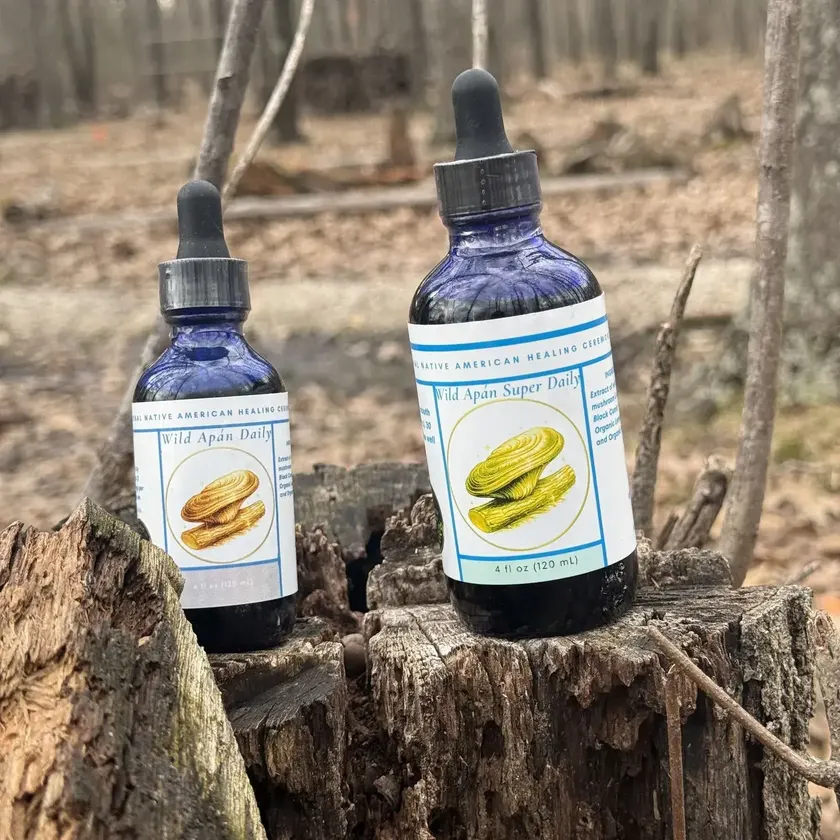
Reishi (Ganoderma lucidum), lion's mane (Hericium erinaceus), chaga (Inonotus obliquus), turkey tail (Trametes versicolor), and maitake (Grifola frondosa) each contain distinct beta-glucan profiles. Apán Super Daily draws on wild-harvested Apán mushroom varieties specifically chosen for beta-glucan density.
Mycelium vs. Fruiting Body
A significant quality gap exists between products made from fruiting bodies (the actual mushroom cap and stem) versus mycelium grown on grain. Fruiting body extracts are consistently higher in beta-glucan content; mycelium-on-grain products often contain substantial amounts of starch from the growing substrate, which dilutes actual beta-glucan concentration.
The Wild-Harvested Difference
Wild-harvested mushrooms grown in their native environment develop beta-glucan profiles shaped by environmental stressors — temperature variation, competition, and natural growth cycles. These conditions, which don't exist in controlled cultivation, may result in a broader and more complex polysaccharide profile than laboratory-cultivated alternatives.
“The mushroom doesn't produce beta-glucans for your benefit — it produces them to survive. That survival-driven chemistry is part of what makes wild-harvested material so compelling to study.”
Featured Product
Wild-Harvested Beta-Glucan Source
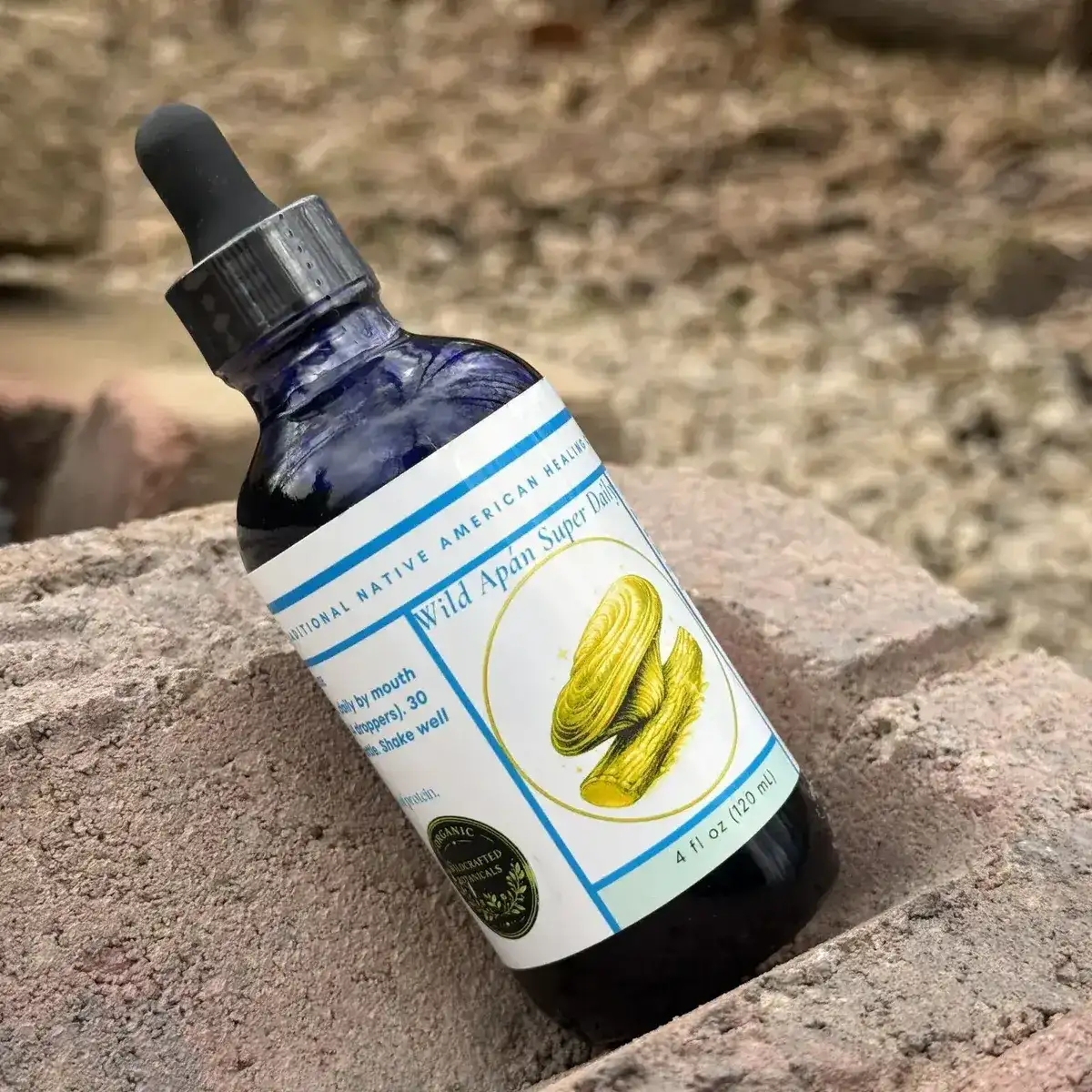
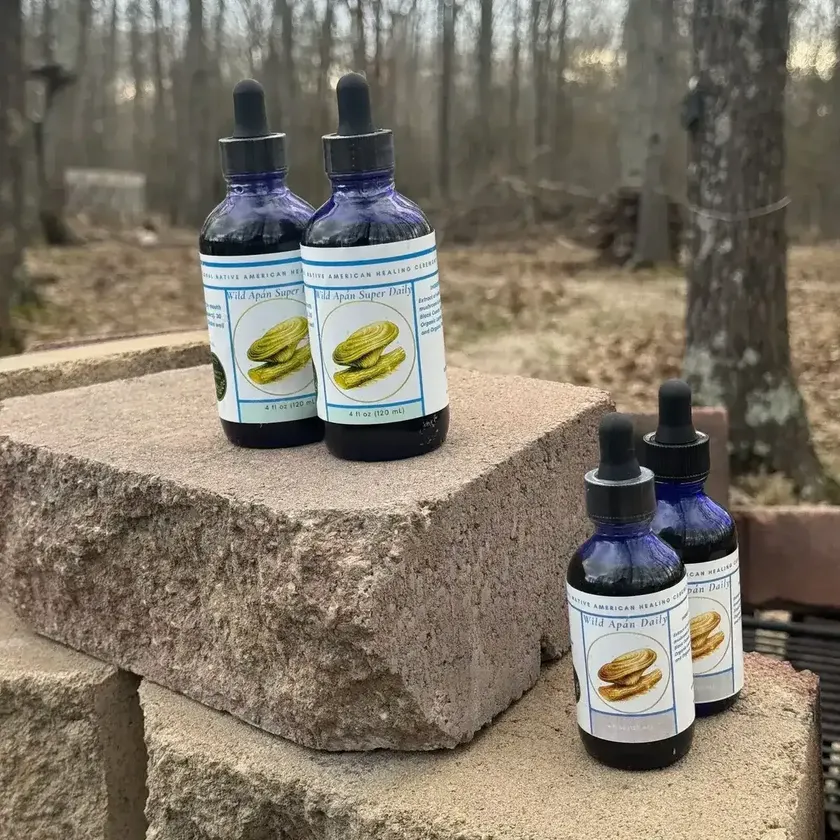
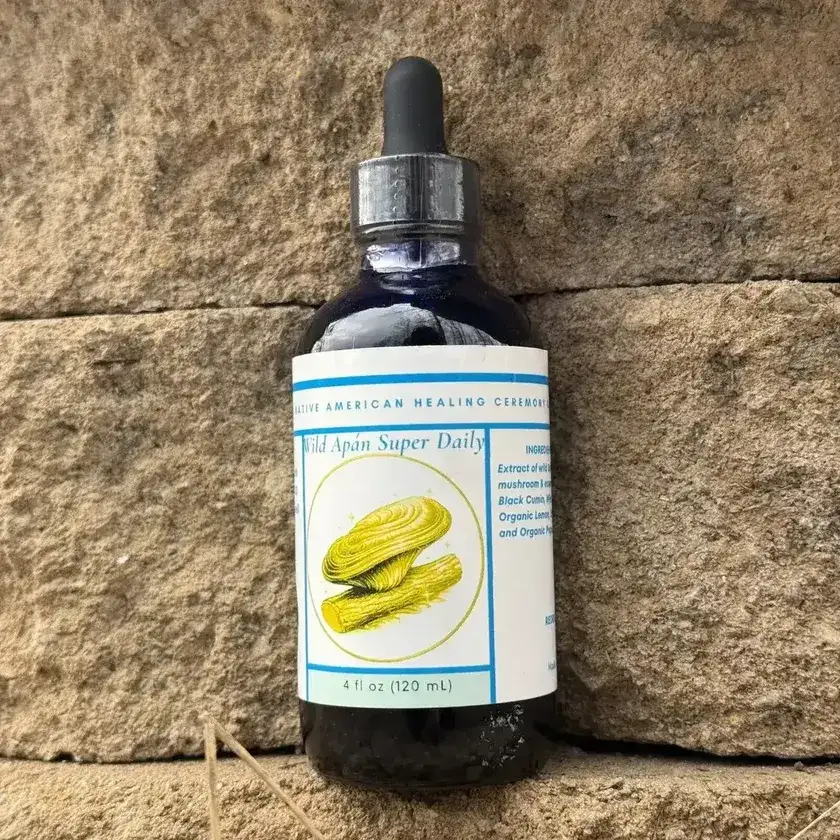
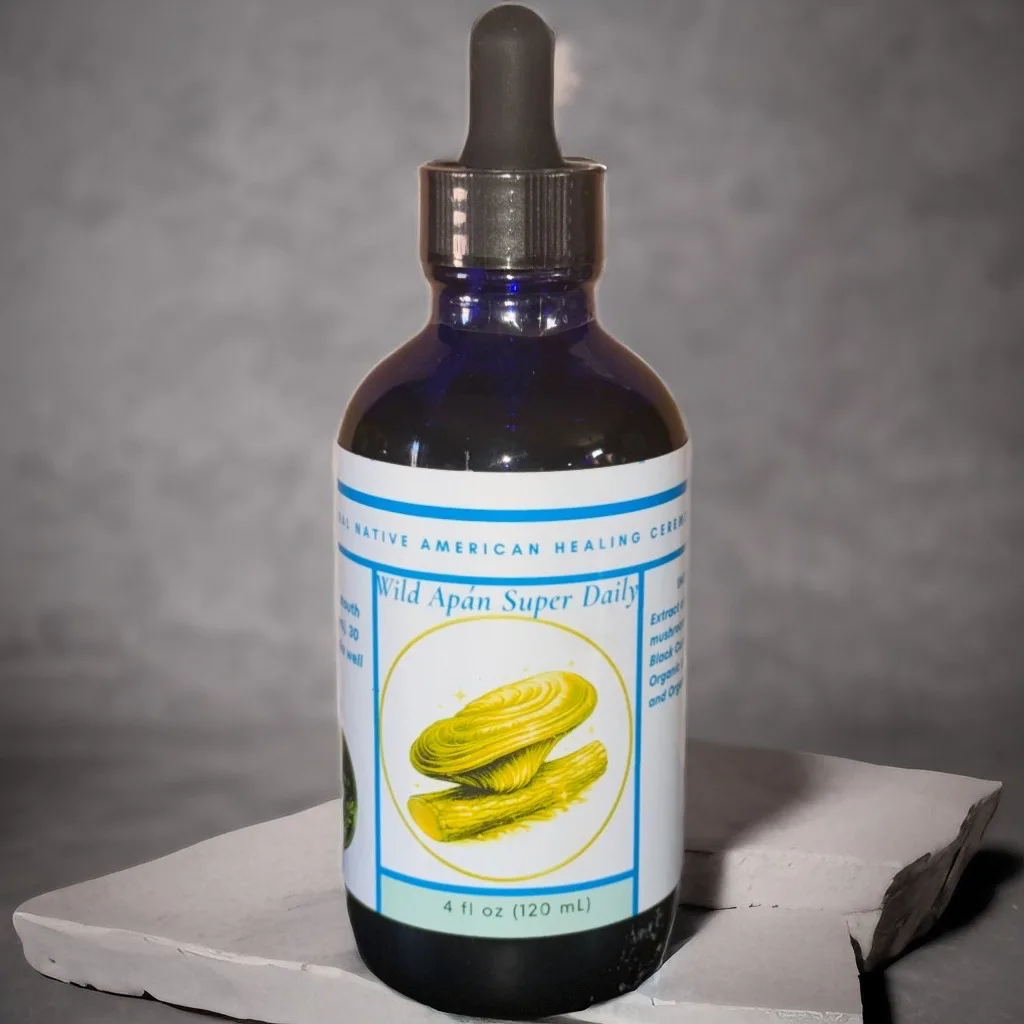
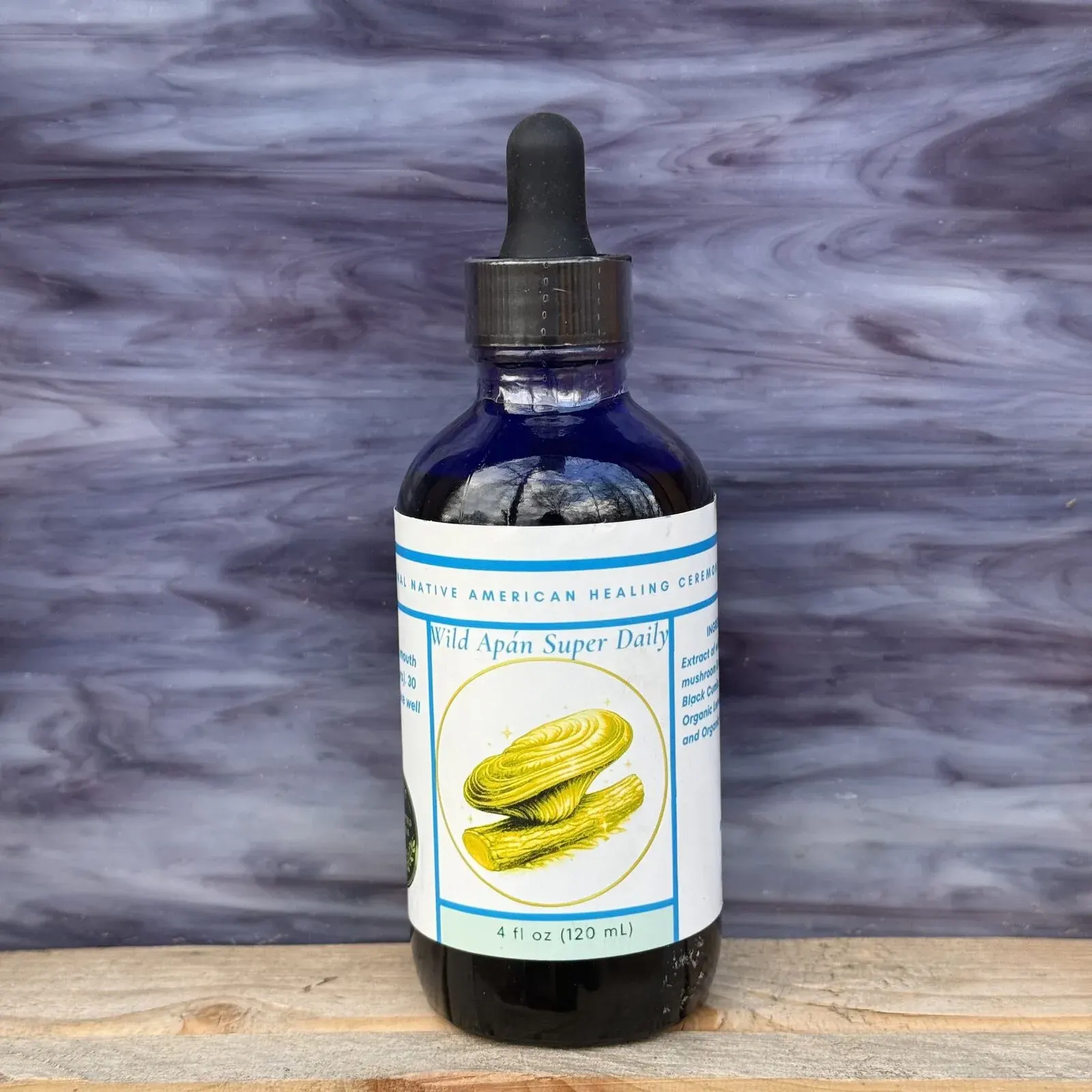
Apán Super Daily is formulated with wild-harvested Apán mushroom extract — selected for its natural beta-glucan density and botanical complexity. Combined with Sacred Frankincense and Black Cumin essential oils.
A Balanced Perspective
Beta-glucans are among the most well-researched naturally occurring immune-modulating compounds. The evidence base is legitimate and growing. At the same time, supplements are not medications, and individual responses vary. What the research supports is a meaningful and well-documented mechanism — not a guarantee of any specific outcome.
The practical takeaway: if you're going to use mushroom supplements, source and extraction method are not marketing language — they're the variables that determine whether you're getting meaningful beta-glucan content or mostly starch with a mushroom label.
Tags
Red Road Wellness Research Team
Botanical Supplement Researchers
Red Road Wellness is a Missouri-based botanical supplement company founded on reverence for Indigenous plant traditions and wild-harvested ingredients. Our content team curates wellness articles to reflect the science behind our formulas — accurately, with appropriate context, and with full FDA/FTC compliance.