Shiaqga and Apán: Understanding the Traditional Name of a Sacred Mushroom
Thomas Tovar
Founder, Red Road Wellness
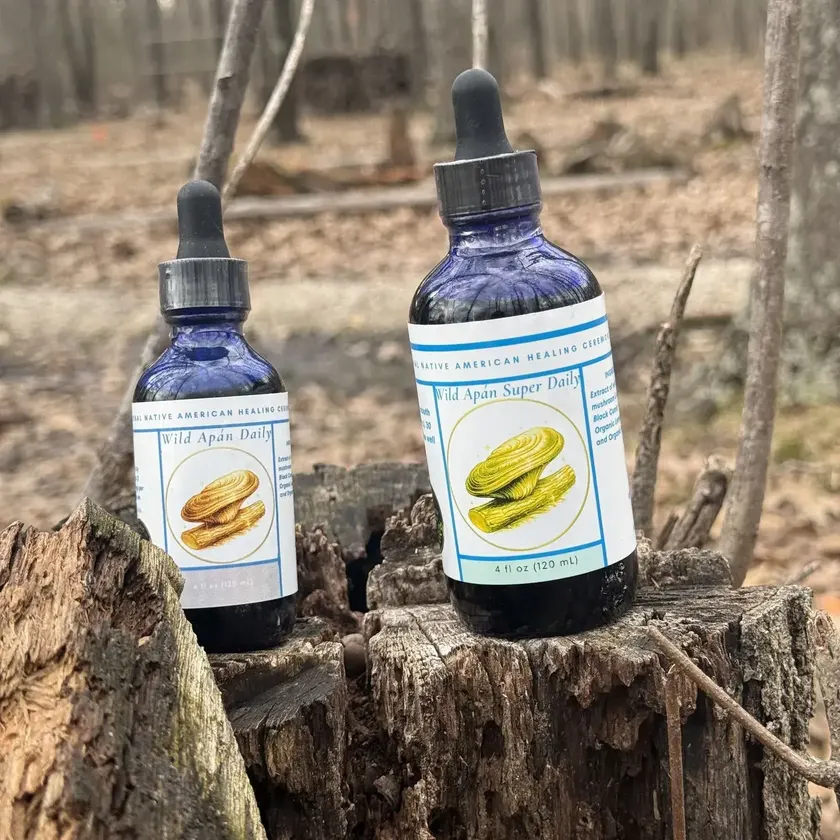
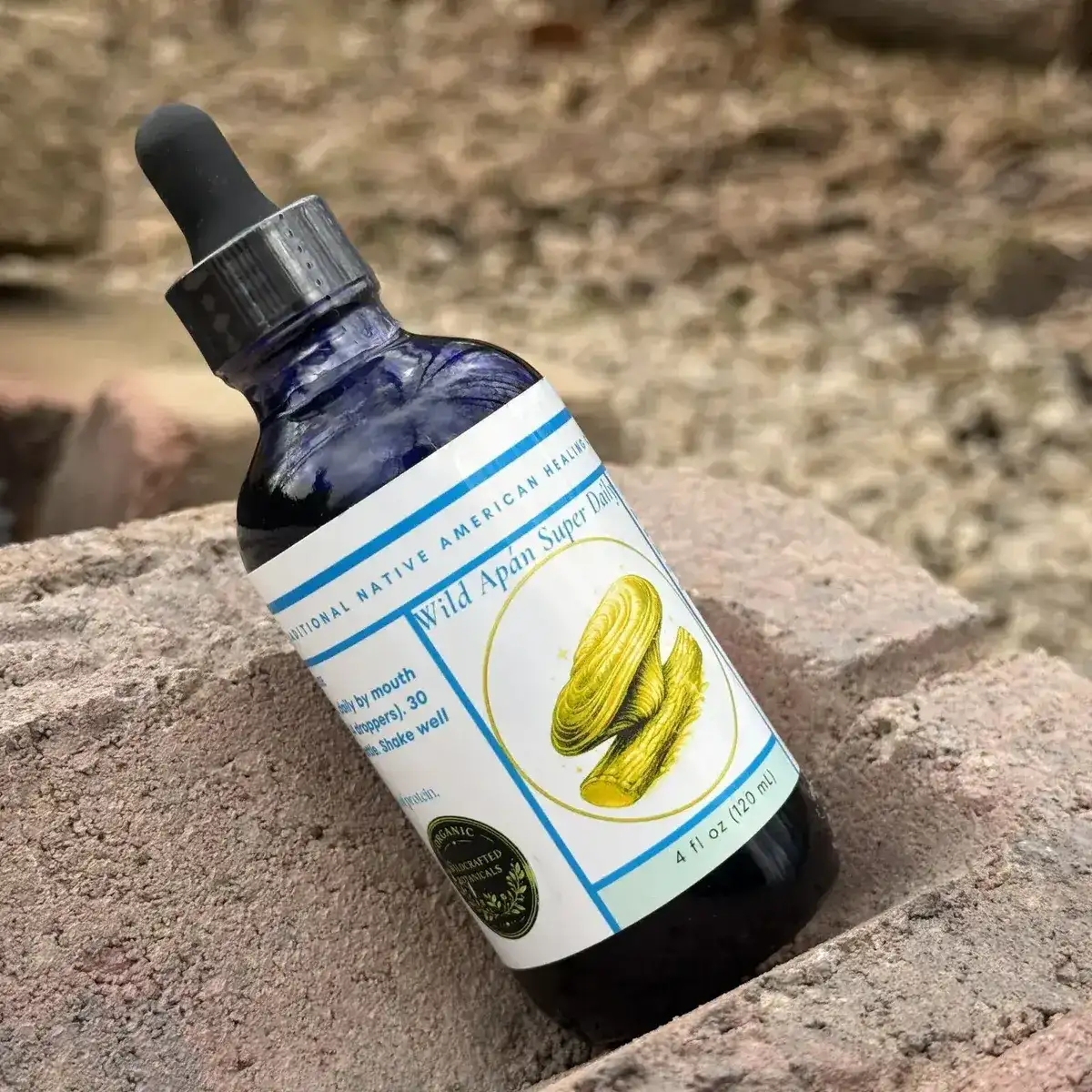
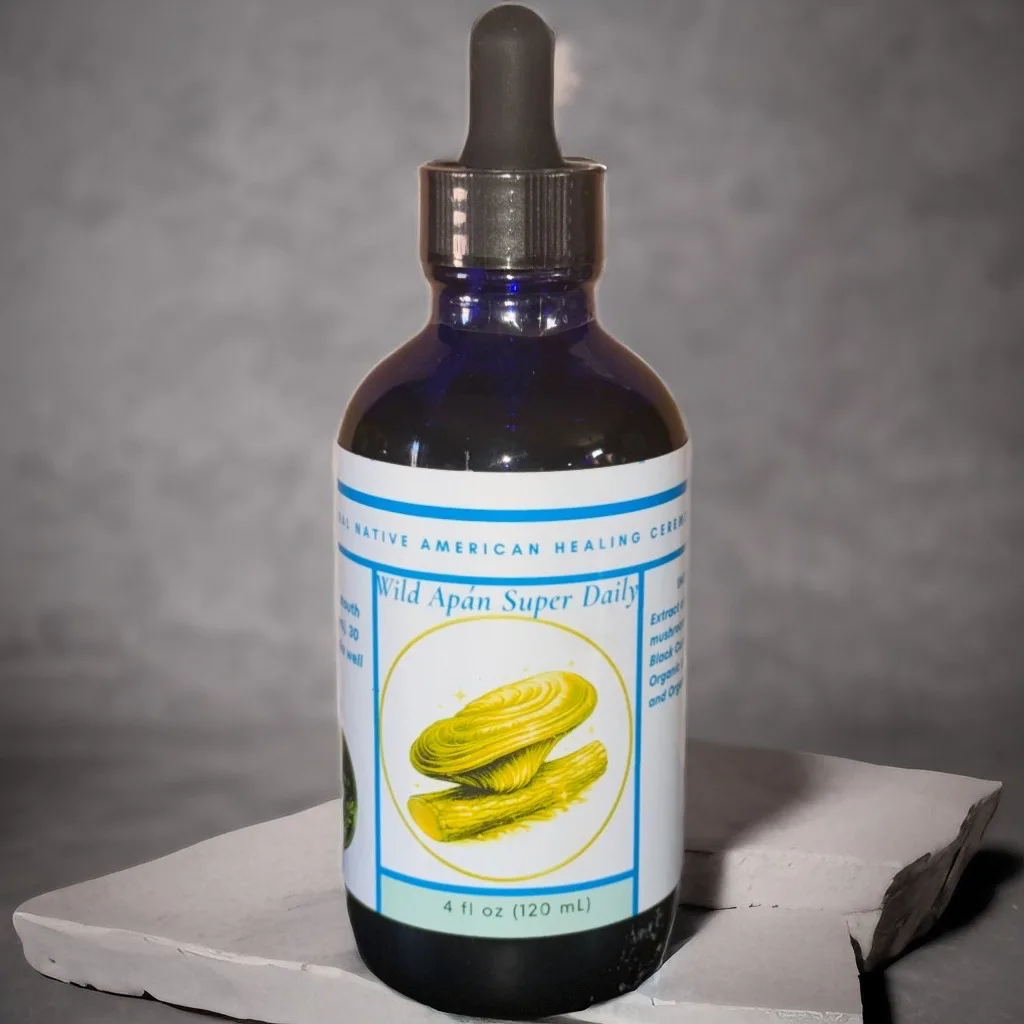
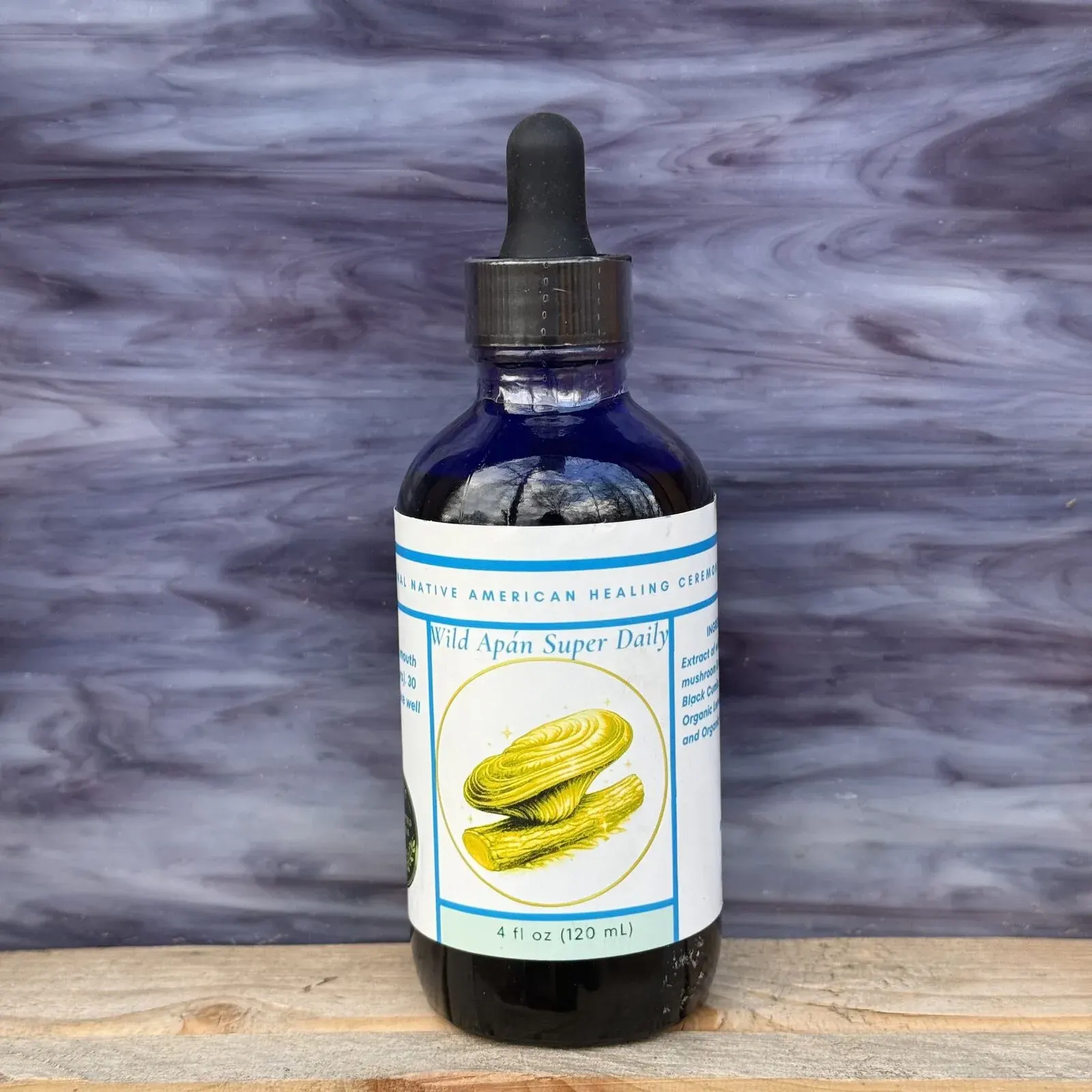
If you've spent time researching Red Road Wellness products, you may have encountered the word Shiaqga — sometimes in customer accounts, sometimes in practitioner testimonials, and now here. Shiaqga is the traditional Sahaptin Indian name for the wild mushroom that Red Road Wellness formulates into Apán Super Daily and Apán Daily.
Understanding the name matters because it tells you something important about where this mushroom comes from and why it's different from the mushroom supplements most people encounter in the wellness marketplace.
What Is Shiaqga?
Shiaqga is the Sahaptin-language name used by the Native American Sahaptin Indian people to describe this specific wild mushroom. The Sahaptin peoples have inhabited the Columbia Plateau region of the Pacific Northwest for thousands of years, and Shiaqga has been a part of their traditional medicine and ceremonial practices throughout that time.
The full traditional name is Tawtnúk Apán — Tawtnúk being a descriptor for its wild-harvested, ceremonially significant nature, and Apán being the common form used in everyday reference. Shiaqga and Apán are not two different mushrooms — they are the same mushroom, referred to by different names within the same cultural tradition.
Why It Doesn't Appear on Standard Mushroom Lists
Many people searching for Shiaqga or Apán online find few scientific references. This is not because the mushroom is obscure or uncharacterized — it is because most wellness research databases index by Latin species names, not by Indigenous traditional names.
This creates a gap in searchable information that doesn't reflect a gap in traditional knowledge or use. Generations of Sahaptin practitioners have documented the properties of Shiaqga within oral and ceremonial traditions that predates modern scientific literature by centuries.
Ceremonial Significance
Apán (Shiaqga) holds a certified ceremonial status within traditional Sahaptin practice — it is recognized as a ceremonial sacrament for use by Medicine Men and Women in traditional Native American wellness practices. This is not a marketing designation. It reflects a lineage of understanding passed down through practitioners who worked with this mushroom as a central element of their healing tradition.
“While I was studying to become a Medicine Man, I learned about the Apán mushroom. I asked my Medicine Chief what the therapeutic difference was between Apán and the Chaga mushroom I was familiar with. He said, 'Oh, the Apán is 1000% times better.'”
What Makes This Mushroom Distinct
Beyond its cultural name, Apán (Shiaqga) has characteristics that distinguish it from the more commonly marketed medicinal mushrooms like chaga, reishi, or lion's mane. It is wild-harvested from its native habitat rather than cultivated in controlled environments. It does not contain the oxalates found in some other popular mushroom supplements. And it has been specifically selected by traditional practitioners for its observed wellness properties over many generations.
Red Road Wellness works directly with those who understand this mushroom's traditional context, bringing that knowledge into a modern supplement formulation without stripping away the cultural significance embedded in its name.
A Fruiting Body Extract — Not Mycelium on Grain
One practical consequence of this wild-harvested, tradition-rooted sourcing is that Apán supplements are made from the whole mushroom fruiting body — the cap and stem that emerge above ground — rather than from mycelium cultivated on grain substrates. This distinction matters more than most supplement labels make clear.
Mycelium-on-grain products — which dominate the commercial mushroom supplement market — contain significant amounts of the grain substrate mixed in with the fungal material. Laboratory analysis consistently finds higher beta-glucan concentrations and a broader polysaccharide profile in fruiting body extracts compared to mycelium-on-grain alternatives. When Sahaptin practitioners worked with Shiaqga, they worked with the wild fruiting body. Red Road Wellness continues that specificity.
Using the Name as a Quality Signal
For consumers navigating a saturated supplement market, Shiaqga and Apán function as quality signals in a way that generic product names do not. A product simply labeled "mushroom complex" or "immune blend" gives you no information about species, harvest method, plant part, or cultural context. A product that carries a traditional name rooted in a specific place and a specific cultural practice is making a much more traceable claim.
That is not a regulatory guarantee — Red Road Wellness makes no FDA-evaluated health claims. But it is a sourcing commitment. The name Shiaqga doesn't attach easily to a factory-cultivated generic product. It belongs to a specific mushroom, in a specific place, within a specific tradition — and carrying that name into a commercial formula is a form of accountability to that origin.
Tags
Thomas Tovar
Founder, Red Road Wellness
Thomas Tovar is the founder of Red Road Wellness, a Missouri-based botanical supplement company dedicated to honoring the wellness traditions of the Sahaptin peoples. His work focuses on wild-harvested Apán mushroom supplementation and educational content that helps people make truly informed health decisions.