Black Seed Oil and Thymoquinone: What the Research Actually Shows
Red Road Wellness Research Team
Botanical Supplement Researchers
"A remedy for everything except death" — that's the classical description of Nigella sativa (black seed) from Islamic medical tradition. While that claim is obviously not a scientific statement, the intensity of that historical regard signals something worth investigating. Modern researchers have been doing exactly that for the past three decades.
What Is Thymoquinone?
Thymoquinone (TQ) is the primary bioactive constituent of Nigella sativa seed oil, typically comprising 28-57% of the volatile oil fraction depending on geographic origin and extraction. It belongs to the terpenoid family and is responsible for the seed's characteristic pungent aroma.
Research on thymoquinone has accelerated significantly in the past 20 years, with over 800 published studies examining its properties and mechanisms. The breadth of these studies spans antioxidant activity, cytokine modulation, hepatoprotection, and more.
Mechanisms of Action
The research has identified several plausible mechanisms through which thymoquinone produces its effects:
- Free radical scavenging: TQ demonstrates significant antioxidant activity through direct neutralization of reactive oxygen species, including superoxide radicals and hydroxyl radicals.
- NF-κB inhibition: Nuclear factor kappa B (NF-κB) is a key regulator of inflammatory gene expression. Thymoquinone has been shown to inhibit NF-κB activation in multiple cell models, which may explain much of its anti-inflammatory profile.
- Nrf2 pathway activation: TQ activates the Nrf2 antioxidant response element — a master regulator of cellular antioxidant defenses — which upregulates endogenous protective enzymes including superoxide dismutase (SOD) and catalase.
- Prostaglandin inhibition: TQ appears to inhibit cyclooxygenase enzymes (COX-1 and COX-2), the same pathway targeted by common anti-inflammatory drugs, through a different mechanism.
Areas of Active Research
Immune Modulation
Multiple studies have examined thymoquinone's effects on immune cell populations. T-cell regulation, macrophage function, and natural killer cell activity have all been studied, with generally positive findings. The overall picture is one of a compound that supports immune balance rather than unidirectional stimulation.
Liver Protection
Hepatoprotective properties are among the best-documented effects of thymoquinone. Animal studies and some human trials have found protective effects against chemically induced liver stress, partly mediated through antioxidant mechanisms.
Cardiometabolic Research
Several trials have examined the effects of black seed oil supplementation on lipid profiles and blood pressure, with modest favorable results in human studies. This remains an active area of investigation.
Quality Factors in Black Seed Oil
Thymoquinone content in commercial black seed oils varies considerably — from below 0.1% to over 3% — depending on the chemotype of Nigella sativa used, geographic origin, and extraction method. Cold-pressing preserves more TQ than solvent extraction. The market is largely unregulated on this metric.
Featured Product
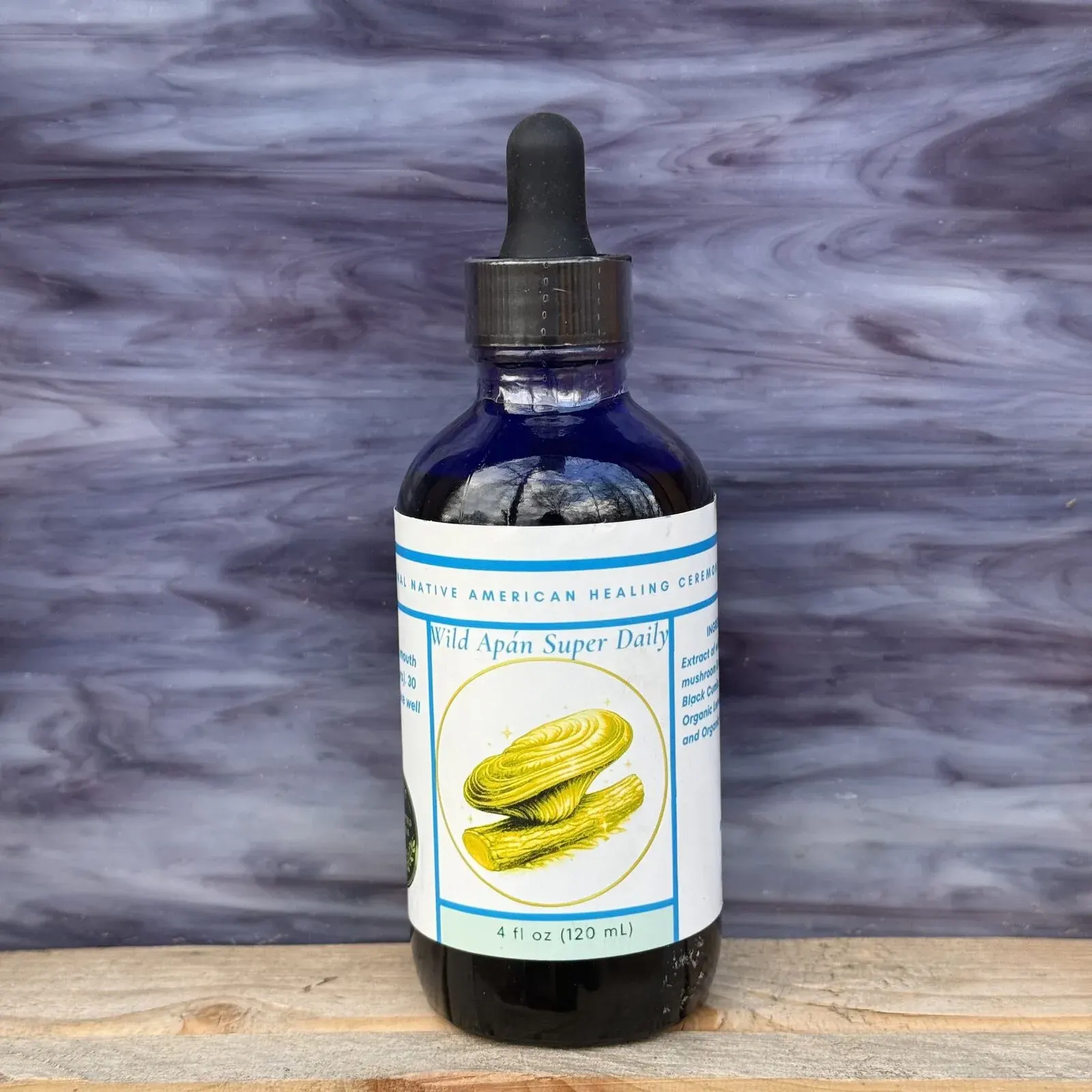
Black Cumin Seed Inside Every Apán Formula
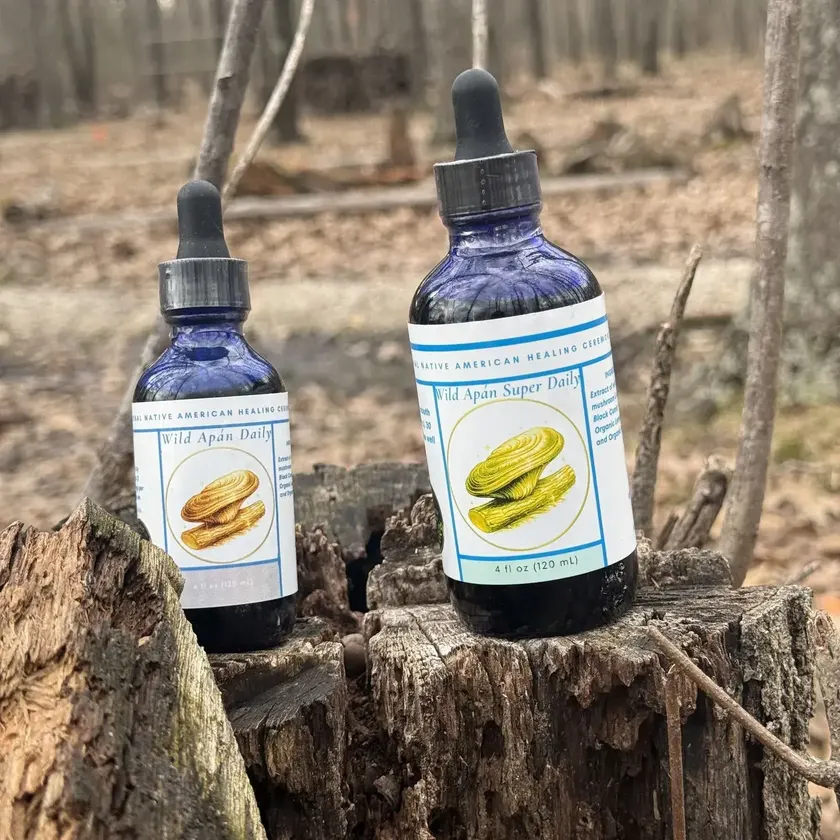
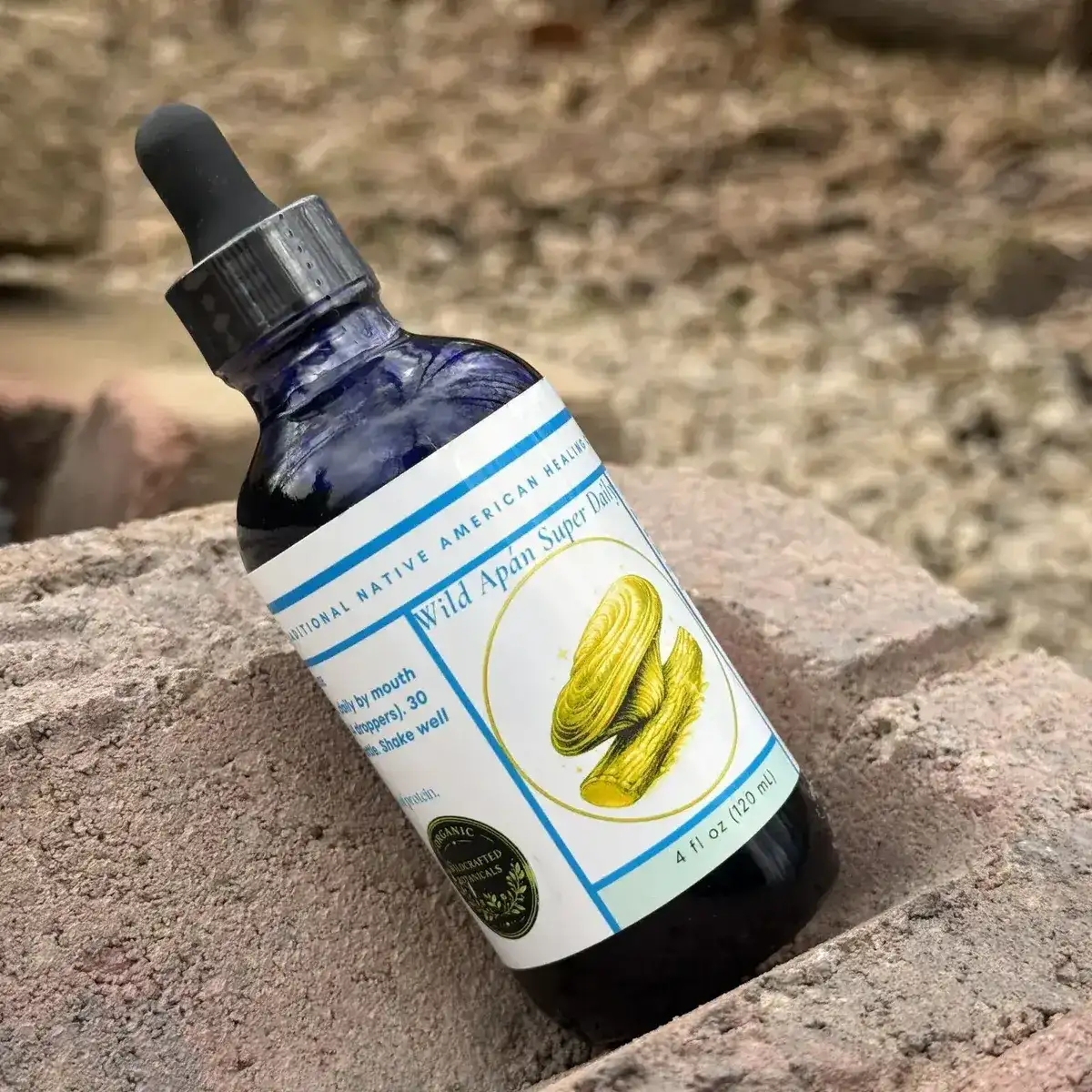
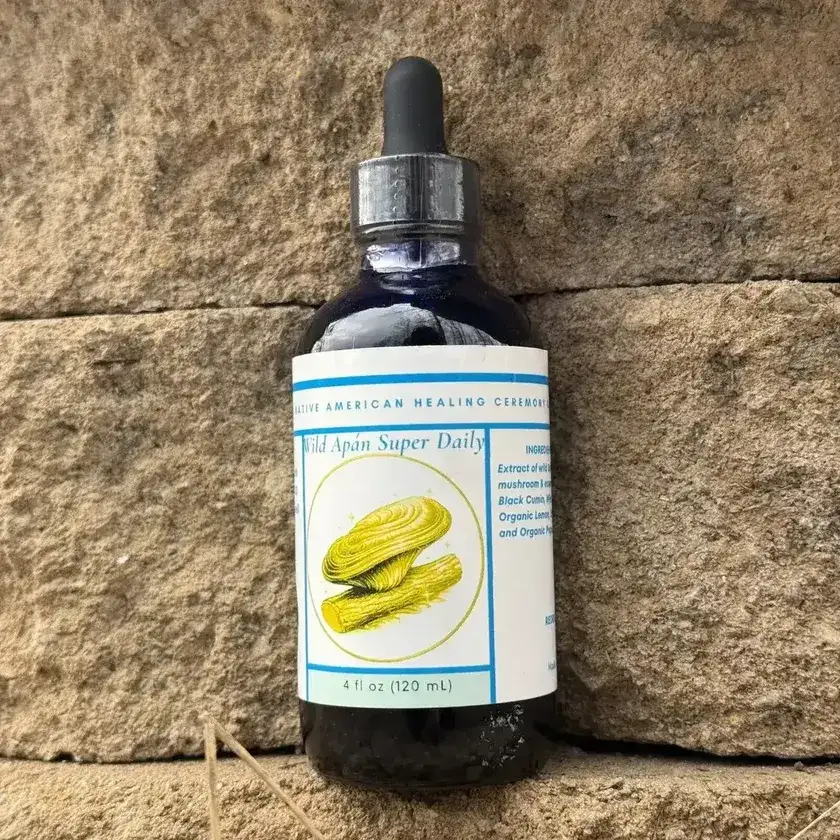
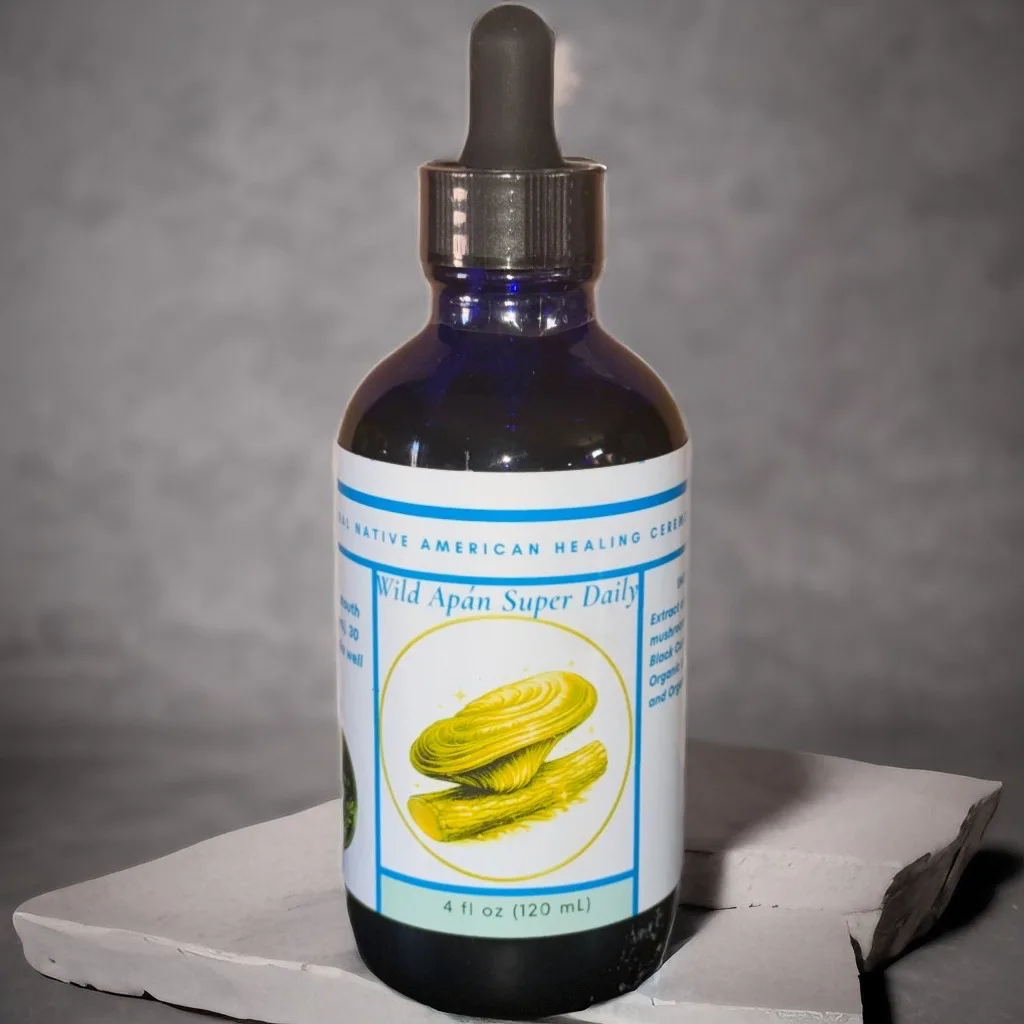
Apán Super Daily includes cold-pressed black cumin (Nigella sativa) oil selected for thymoquinone density — paired with wild-harvested Apán mushroom extract and Sacred Frankincense in a multi-botanical daily formula.
An Honest Assessment
Thymoquinone is a well-characterized compound with a legitimate and substantial body of research behind it. The mechanisms are real and plausible. The clinical evidence in humans, while growing, is thinner than the preclinical evidence — which is the normal state of most botanical research.
The appropriate framing is this: black seed oil is a historically significant botanical ingredient with genuine bioactive properties, a strong safety record, and a plausible research basis for its traditional uses. It is not a drug, and it should not be marketed as one.
Tags
Red Road Wellness Research Team
Botanical Supplement Researchers
Red Road Wellness is a Missouri-based botanical supplement company founded on reverence for Indigenous plant traditions and wild-harvested ingredients. Our content team curates wellness articles to reflect the science behind our formulas — accurately, with appropriate context, and with full FDA/FTC compliance.