Immune Balance, Not Boosting: Why the Distinction Matters for Your Health
Red Road Wellness Research Team
Botanical Supplement Researchers
Walk through any supplement store and you'll find shelves labeled 'Immune Boosters.' The term is intuitive — who wouldn't want a stronger immune system? — and it has driven billions in supplement sales. There's one problem: immunologists don't actually want to boost your immune system.
This isn't semantics. The distinction between immune stimulation and immune balance has real biological significance, and understanding it changes how you think about support strategies.
What Happens When Immunity Is 'Boosted'
An unregulated, unidirectionally stimulated immune system is not a healthy immune system — it's the definition of autoimmune disease. Lupus, rheumatoid arthritis, multiple sclerosis, and Crohn's disease are all conditions where immune activity is excessively elevated and dysregulated. The immune system attacking self-tissues is a consequence of too much activity in the wrong direction.
Cytokine storms — the dangerous immune overreaction seen in severe infectious disease — are another consequence of unregulated immune stimulation. More immune activity is not categorically better. Appropriate immune activity is better.
The Concept of Immune Homeostasis
Immune homeostasis refers to the state of dynamic equilibrium the immune system maintains — responding to threats, resolving inflammation, and returning to baseline. Multiple regulatory mechanisms exist specifically to prevent excessive immune activation: regulatory T cells, anti-inflammatory cytokines, checkpoint proteins on immune cell surfaces.
This homeostatic system evolved for good reason: chronic, unresolved inflammation is linked to the pathology of virtually every major chronic disease — cardiovascular disease, metabolic disease, neurodegenerative disease, and more.
What Does Immune Balance Look Like in Practice?
- Proportionate responses: The immune system reacts to genuine threats without overreacting to minor ones.
- Clean resolution: Inflammatory responses resolve completely rather than persisting as chronic low-grade inflammation.
- Appropriate tolerance: The system distinguishes between genuine threats and harmless substances (including self-tissues).
- Efficient surveillance: Natural killer cells and other surveillance mechanisms remain active and alert.
How Botanical Compounds Support Balance Rather Than Stimulation
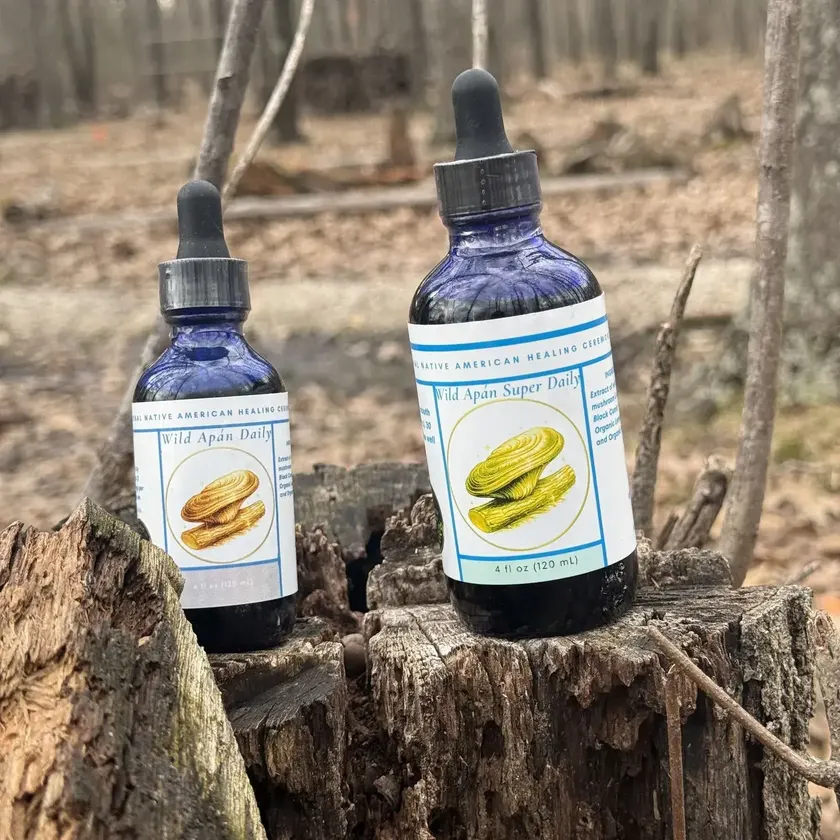
This is precisely where compounds like mushroom beta-glucans, thymoquinone, and certain triterpenes are most interesting — not because they universally stimulate immune activity, but because they appear to act as modulators.
Beta-glucans, for instance, don't simply increase immune cell counts. Their interaction with Dectin-1 and toll-like receptors primes immune cells to respond more efficiently — not more intensely. The qualitative difference matters enormously.
What Actually Disrupts Immune Balance
The greatest threats to immune homeostasis aren't solved by supplements — they're lifestyle factors: chronic sleep deprivation (which disrupts immune cell cycling), chronic psychological stress (which persistently elevates cortisol and suppresses immune surveillance), sedentary behavior (which impairs lymphatic circulation), and poor nutritional status.
Botanical supplements work best as a complement to a lifestyle foundation — not as a substitute for it. The compounding benefit comes from addressing multiple variables simultaneously, not from a single ingredient doing heavy lifting.
Tags
Red Road Wellness Research Team
Botanical Supplement Researchers
Red Road Wellness is a Missouri-based botanical supplement company founded on reverence for Indigenous plant traditions and wild-harvested ingredients. Our content team curates wellness articles to reflect the science behind our formulas — accurately, with appropriate context, and with full FDA/FTC compliance.