The Sleep–Immunity Connection: How Rest Shapes Your Body's Defenses
Red Road Wellness Research Team
Botanical Supplement Researchers
Sleep is often discussed in the context of mood, cognition, and weight — but its impact on immune function is just as significant and considerably less discussed. The mechanistic links between sleep quality and immune competence are among the most well-established in modern immunology.
A 2015 study published in Sleep — one of the most rigorous in this category — experimentally restricted participants to six hours of sleep per night for one week, then exposed them to a common cold virus. Those sleeping six hours were four times more likely to develop infection than those sleeping seven or more hours.
The Mechanisms: Why Sleep Is Immunologically Active
Cytokine Coordination
During slow-wave (deep) sleep, the body produces and releases key cytokines including interleukin-1 (IL-1), IL-6, and tumor necrosis factor-alpha (TNF-α) — chemical messengers that coordinate immune responses. Some of these cytokines are also sleep-promoting, creating a feedback loop between immune activity and rest.
Sleep deprivation disrupts this coordination, leading to dysregulated cytokine production — not simply reduced production. Chronic sleep restriction is associated with elevated baseline IL-6 and TNF-α, suggesting a state of low-grade inflammatory imbalance.
T-Cell Activation
A 2019 study published in the Journal of Experimental Medicine found that sleep improved the capacity of T cells to form connections with infected cells. The mechanism involves integrin activation — how T cells physically adhere to their targets — which is suppressed by stress hormones and protected by sleep.
Natural Killer Cell Activity
Natural killer (NK) cells are among the body's primary cellular surveillance mechanisms. Studies have found NK cell activity is significantly reduced after a single night of partial sleep deprivation, with activity typically recovering after one full recovery night — but remaining persistently suppressed in chronically poor sleepers.
Circadian Rhythm and Immune Timing
Immune function follows a circadian schedule. NK cell activity peaks in the early morning. Certain cytokines have production patterns tied to the light-dark cycle. The immune system is not continuously active at uniform intensity — it operates in timed waves, many of which are coordinated during sleep.
This is why shift work, irregular sleep schedules, and jet lag affect immune function. It's not just about sleep duration — it's about timing consistency. The immune system works optimally when sleep happens at the same time relative to the light-dark cycle.
Practical Sleep Optimization
- Consistency before duration: A consistent bedtime and wake time matters more than a few extra hours at irregular times. Set both and protect them.
- Temperature: Core body temperature drops during sleep onset. A cool bedroom (65–68°F / 18–20°C) facilitates this transition.
- Light management: Blue-light exposure from screens within 90 minutes of bed delays melatonin onset. Dim, warm lighting in the evening is meaningful.
- Stimulant timing: Caffeine's half-life is approximately 5–6 hours. A 3pm coffee may still have 50% of its stimulant effect at 9pm.
- Chronotype awareness: Whether you're a morning or evening person is partly genetic. Working with your natural chronotype rather than against it is more sustainable.
Botanical Support for Sleep Quality
Some adaptogenic compounds — particularly reishi mushroom and certain terpenes — have been studied for their effects on sleep quality. Reishi's adenosine content and triterpene profile have shown sleep-support properties in multiple studies, with effects on sleep latency (how long it takes to fall asleep) and slow-wave sleep time.
“You cannot supplement your way out of chronic sleep deprivation. But you can use botanical support as part of a genuine optimization effort — not as a replacement for addressing the fundamentals.”
Featured Product
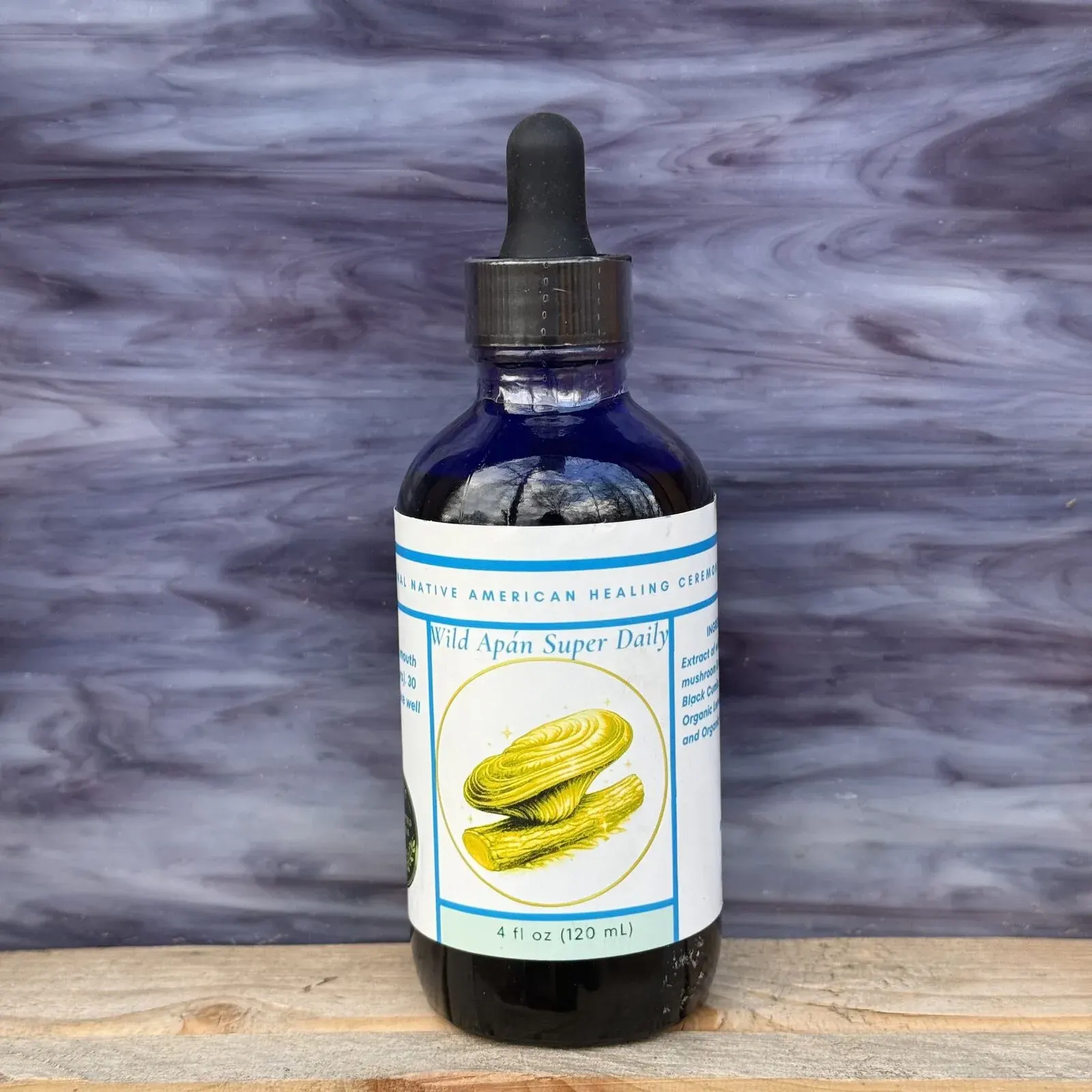
Daily Botanical Support
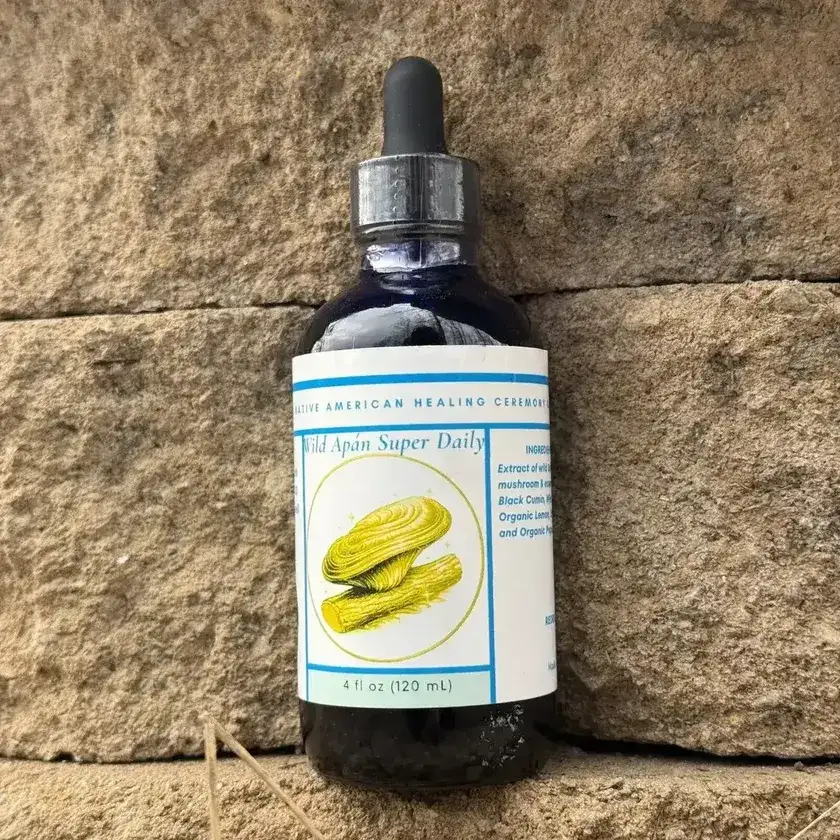
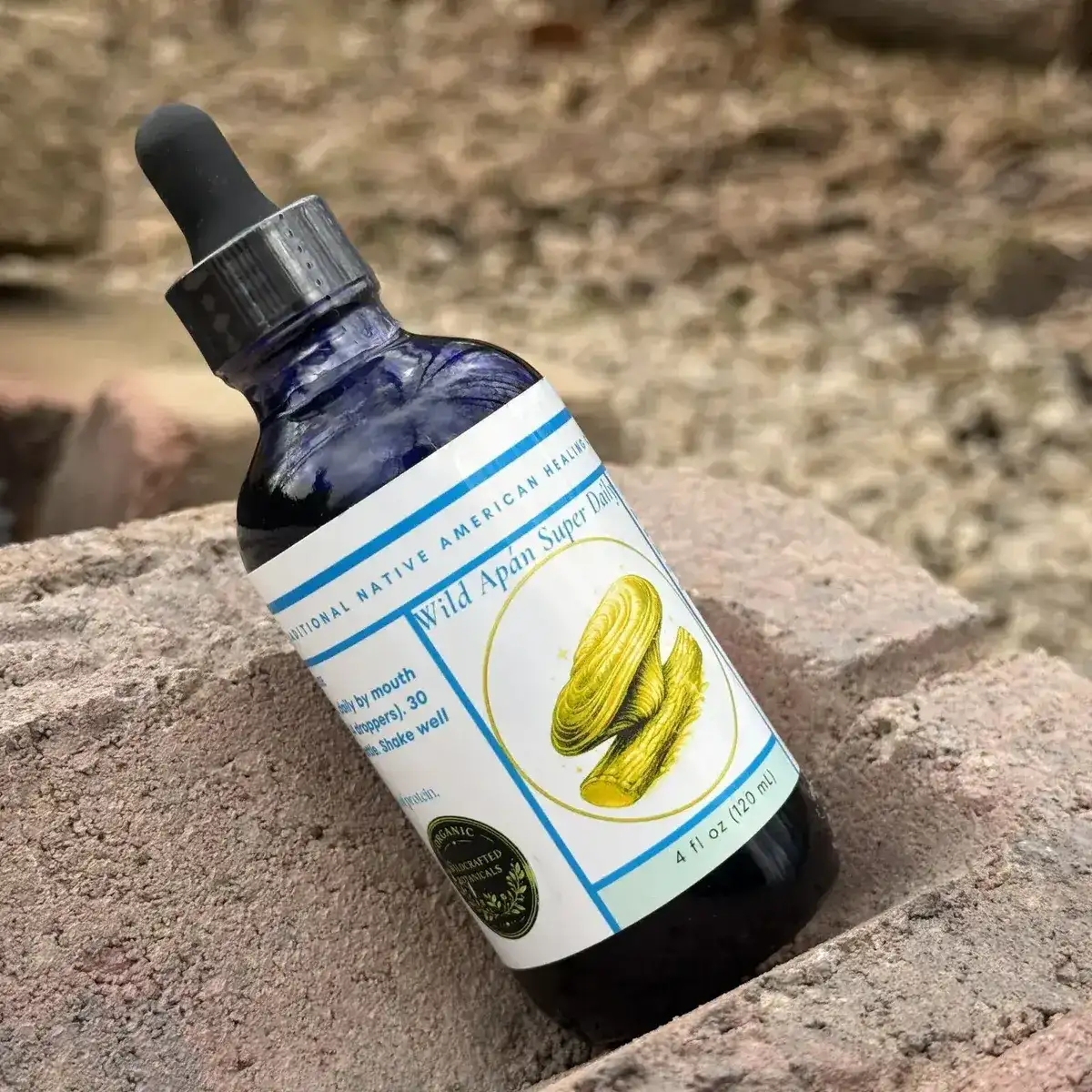
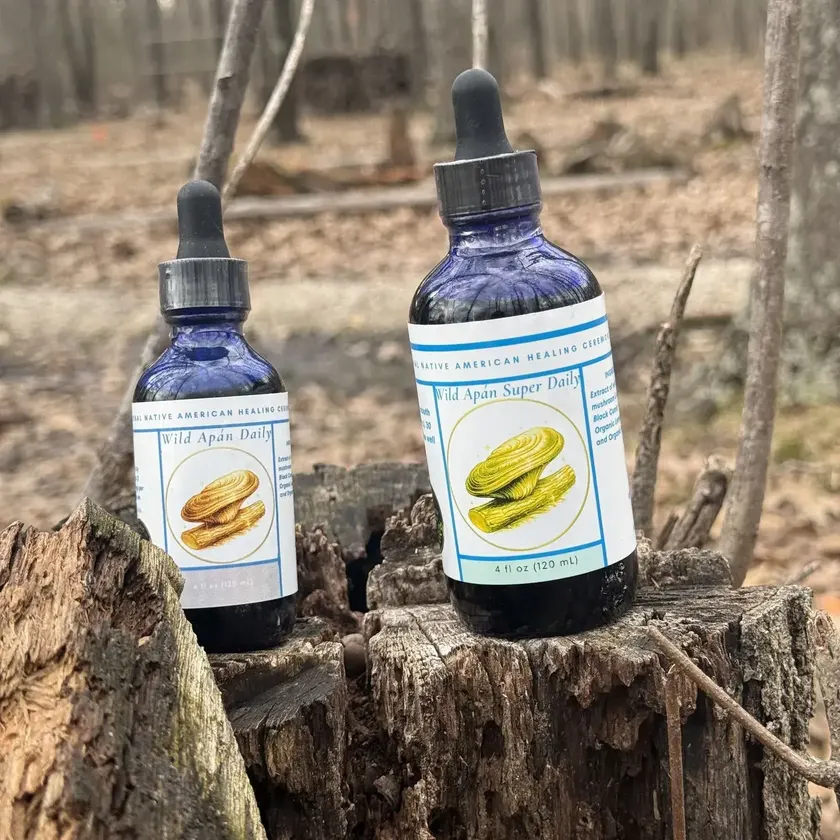
Apán Super Daily's wild-harvested mushroom blend includes adaptogenic compounds studied for their effects on stress regulation and sleep quality. A daily botanical foundation for immune balance.
The Simple Case
No supplement addresses what seven to nine hours of quality sleep addresses. The research is unambiguous. The honest hierarchy of immune support strategies puts sleep at the top — not because supplements and lifestyle aren't meaningful, but because the body quite literally performs its immune maintenance work during sleep.
Tags
Red Road Wellness Research Team
Botanical Supplement Researchers
Red Road Wellness is a Missouri-based botanical supplement company founded on reverence for Indigenous plant traditions and wild-harvested ingredients. Our content team curates wellness articles to reflect the science behind our formulas — accurately, with appropriate context, and with full FDA/FTC compliance.