In 2004, a fully independent laboratory ran a specialized scientific test on the source material used in Apán supplements. The test — called an LAL Kinetic Glucan Assay — is the same class of test used to verify the quality and safety of pharmaceutical drugs and medical devices. It is one of the most sensitive biological assays that exists. The results give us an exact, verified number for how many bioactive beta-glucan molecules are present in Apán. We are sharing them because we believe people making decisions about what to put in their bodies deserve to see the actual data.
The test measures beta-1,3-glucan — the primary bioactive molecule in wild Apán mushroom. What makes this test remarkable is its sensitivity: it can detect concentrations down to 3 parts per trillion. To put that in perspective, a single picogram — the unit used in this test — is approximately the size of one beta-glucan molecule. The assay is, in essence, counting individual molecules. The standard curve used in the test was validated at a correlation coefficient greater than 0.980, and the results were reviewed by John T. Lohr, Ph.D. The entire procedure met Good Manufacturing Practice (GMP) standards — the same framework used for pharmaceutical quality testing.
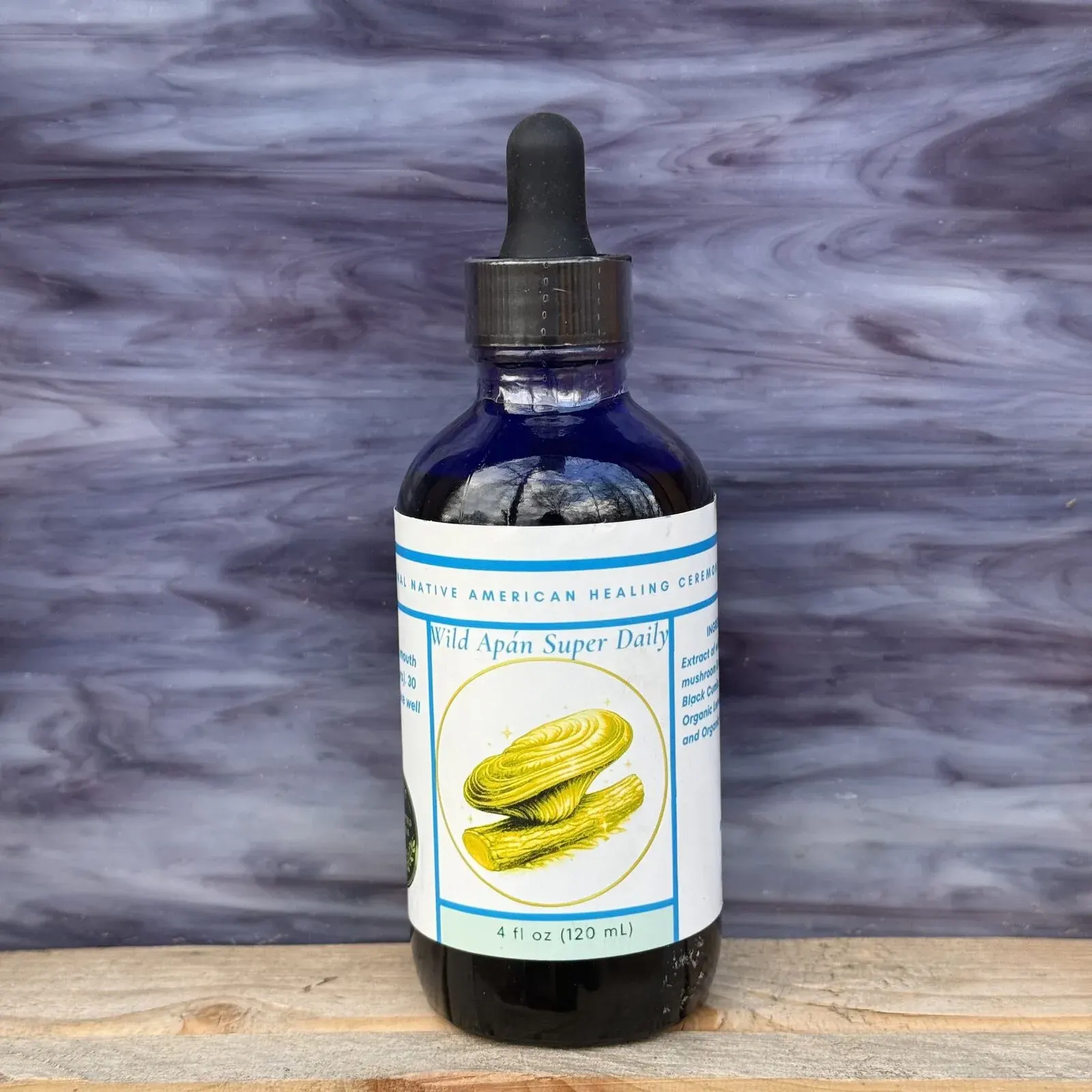
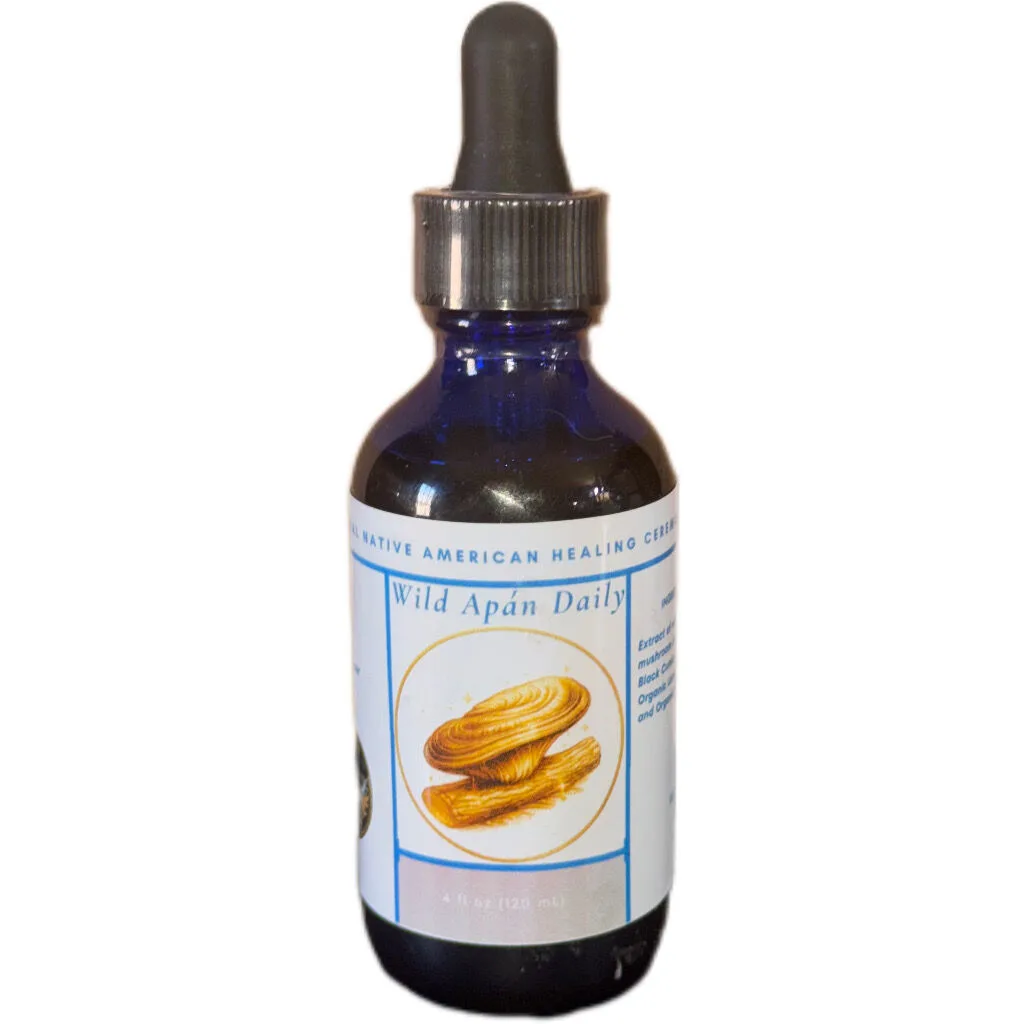
The result: the non-concentrated source material tested at 13,438,587 pg/mL — more than 13 million picograms of beta-1,3-glucan per milliliter. Since Apán Daily is a 12× concentrated extract and Apán Super Daily is a 20× concentrated extract, the numbers scale from there. Per single serving, Apán Daily delivers over 290,000,000 beta-glucan molecules directly to your digestive tract. Apán Super Daily delivers over 967,500,000. These are not estimates or marketing projections. They come from a validated lab assay using pharmaceutical-grade testing standards.
Here is why the digestive delivery matters specifically: beta-glucans from mushrooms are resistant to stomach acid and are not broken down by digestion the way carbohydrates normally are. Your intestines do not produce the enzyme that would cleave these molecules into simple sugars. So they travel through your gut largely intact, where the immune cells living in your intestinal lining — macrophages — take them up directly through specialized receptor sites on their surface. This is the biological mechanism that has been studied in peer-reviewed immunology research for decades. The LAL assay result is measuring the exact molecules that travel this path.
We share this information in the spirit of transparency, not as a medical claim. Dietary supplements are not drugs and do not treat or prevent disease — that distinction is important and we hold it firmly. What this assay establishes is simpler and more factual: the source material behind Apán contains a verified, measured, extraordinary concentration of the compound it is known for, confirmed by a third-party laboratory using standards designed for pharmaceutical-grade products. That is the kind of documentation most supplement companies never commission. We think you should know it exists.