Small Batch Available Now  ·  Free Shipping Over $75  ·  120-Day Money-Back Guarantee
    Research Library
    Compound Research
    Mushrooms
    Ingredient Science
    9 min read

    Beta-Glucans

    Beta-glucans are naturally occurring polysaccharides in mushrooms that interact with immune cell receptors. This article covers the research on how they support balanced immune function.

    Curated by the Red Road Wellness Research Team
    Missouri, USAAbout our editorial standards

    Beta-glucans are natural compounds found in the cell walls of mushrooms, yeast, and certain grains like oats and barley. While they are all technically beta-glucans, the ones from mushrooms and yeast have a unique branching structure that makes them particularly interesting for immune support.

    When you consume mushroom or yeast-derived beta-glucans, your immune cells recognize them through special receptors, almost like a lock and key. This recognition triggers your immune cells to become more alert and active. It is not that beta-glucans fight anything directly; instead, they help your immune cells be better prepared to do their job.

    One of the most fascinating discoveries about beta-glucans is their ability to 'train' your immune system. After exposure to beta-glucans, certain immune cells undergo changes in their DNA packaging that last for weeks or months. These changes allow the cells to respond more quickly and effectively when they encounter future challenges. Scientists call this 'trained immunity.'

    Human studies on beta-glucan supplementation have looked at things like how often people get common colds, how long respiratory symptoms last, and how active immune cells become after supplementation. While results vary, the overall trend suggests that beta-glucan supplementation can support immune function, particularly in people under physical stress (like athletes) or those with naturally declining immune function.

    Not all beta-glucan supplements are the same. The source (mushroom vs. yeast vs. grain), the processing method, and the form (whole particles vs. dissolved) all affect how your body responds to them. Whole, minimally processed forms from mushroom sources tend to show the most robust immune-supportive effects in research.
    References & Citations

    1. [1]
      Netea MG, et al. Trained immunity: A program of innate immune memory in health and disease. Science. 2016;352(6284):aaf1098.PubMed
    2. [2]
      Goodridge HS, Wolf AJ, Underhill DM. Beta-glucan recognition by the innate immune system. Immunol Rev. 2009;230(1):38-50.PubMed
    3. [3]
      Auinger A, et al. Yeast (1,3)-(1,6)-beta-glucan helps to maintain the body's defence against pathogens: a double-blind, randomized, placebo-controlled, multicentric study in healthy subjects. Eur J Nutr. 2013;52(8):1913-1918.PubMed
    4. [4]
      Samuelsen AB, et al. Effects of orally administered yeast-derived beta-glucans: a review. Mol Nutr Food Res. 2014;58(1):183-193.PubMed
    5. [5]
      Vetvicka V, Vetvickova J. Beta-glucans as natural biological response modifiers. J Am Nutraceutical Assoc. 2014;17:32-38.PubMed

    This information is provided for educational purposes only and is not intended to diagnose, treat, cure, or prevent any disease. These statements have not been evaluated by the Food and Drug Administration.

    The Research in Practice

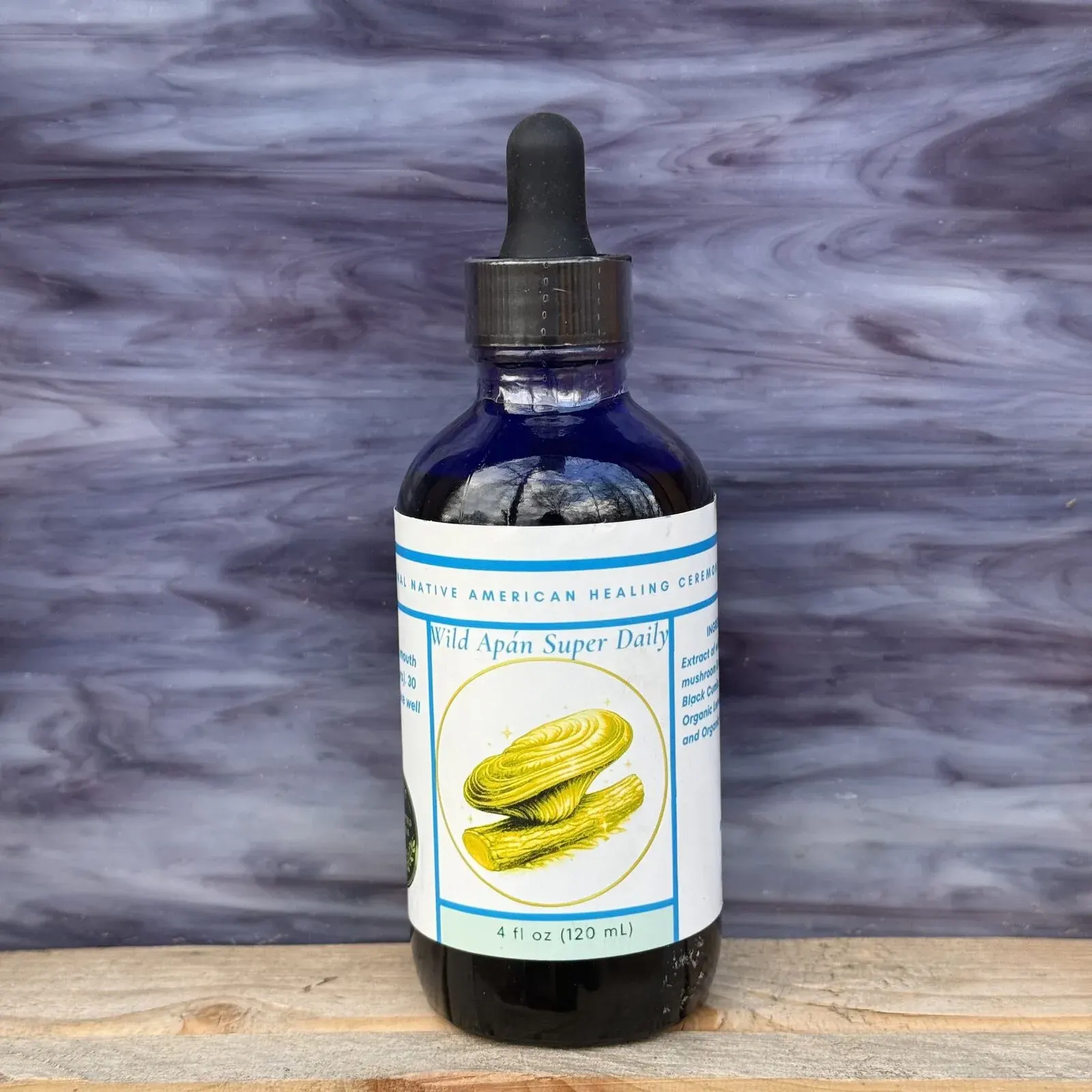
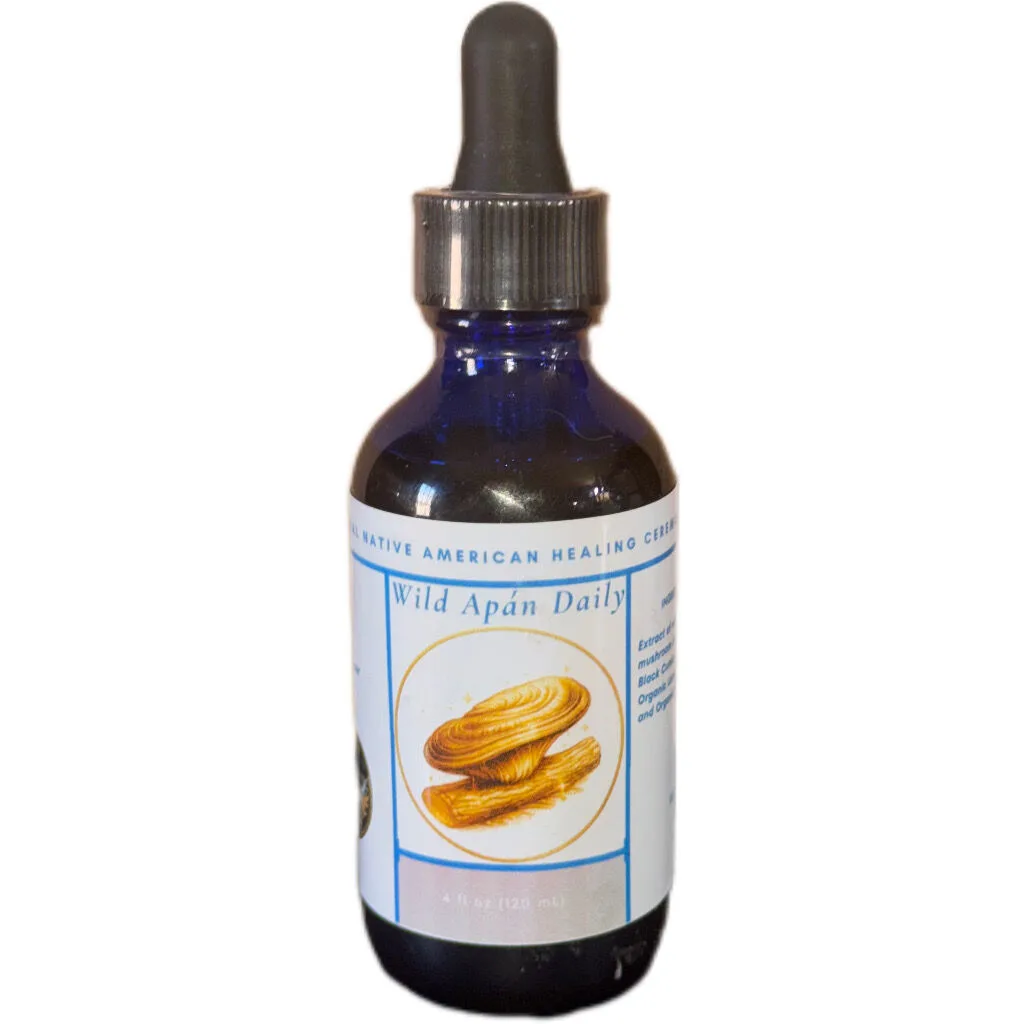
    The compounds covered in this article are foundational to these Red Road Wellness formulas:

    Explore more research

    Related Research

    View all