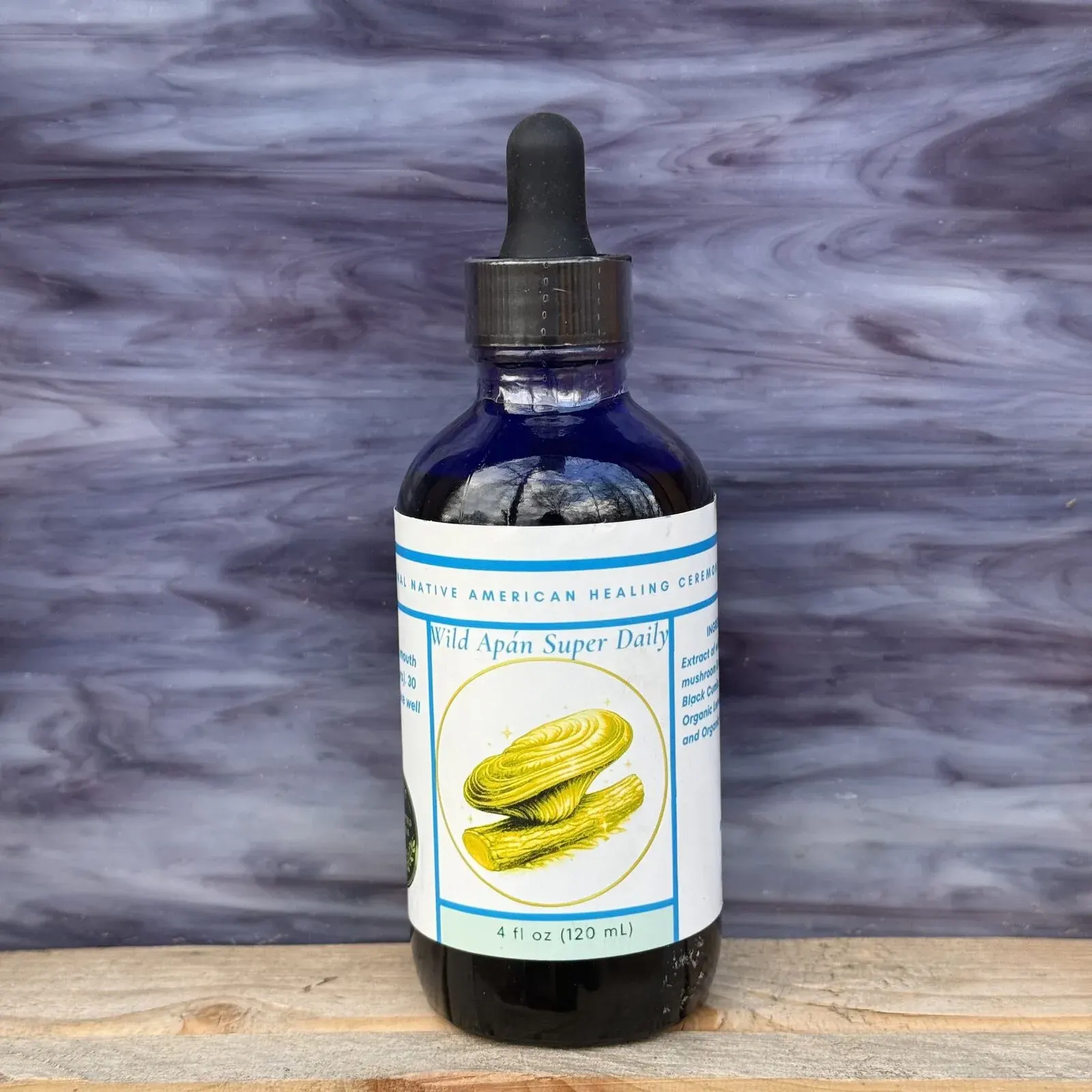
Avian flu is a serious and ongoing threat in commercial poultry settings. Birds kept in close quarters — as they are in most commercial facilities — are especially vulnerable because the virus can spread rapidly and mutate quickly in those conditions. This 2006 study set out to test whether a supplement called Apán, which contains naturally occurring immune-supporting compounds known as beta-glucans, could make a difference in how birds responded to flu exposure.
The trial was conducted in Moroni, Utah by Dr. Landis. Thirty-six pigeons were divided into two groups: a control group of ten birds fed normally, and a test group of twenty-six birds whose feed was mixed with Apán for one week before the experiment. Both groups were housed at very high density — even tighter than most commercial operations — to make the conditions as challenging as possible. Two wild pigeons showing clear flu symptoms were then introduced into the pens to infect the birds.
The results were striking. In the control group, every single bird became infected within three days, and all ten died within the seven-day observation period — along with the original vector bird. In the Apán group, every bird showed signs of infection: coughing, nasal discharge, swollen eyes. But none of the twenty-six died. The only bird that died in that pen was the original sick pigeon introduced from the wild.
The researchers then tracked the surviving Apán-fed birds for three months. Only two died during that time, and neither death was from the flu — one was from an unrelated egg-laying complication, and one got caught in the pen mesh. The birds recovered fully from their flu symptoms, though egg production paused and didn't resume until spring.
Perhaps the most telling detail: after the study ended and the birds stopped receiving Apán, a different flu strain was brought in by wild starlings. This time, two-thirds of the birds died within five days. The surviving birds never returned to normal production. That postscript strongly suggests the protection seen during the trial was directly tied to the period of active supplementation. The researchers called the results compelling evidence for the need for further research into beta-glucan use in avian flu prevention.