What Is Cinnamon Bark?
Cinnamon bark is the fragrant inner bark of trees in the Cinnamomum genus. The Apán formulas use Cinnamomum verum — Ceylon cinnamon, considered the botanical 'true cinnamon' — rather than the more common Cinnamomum cassia variety found on most grocery shelves. The distinction matters: Ceylon cinnamon has a lighter, more complex, and sweeter flavor profile, and significantly lower coumarin content than cassia, making it the preferred variety for regular wellness use.
The primary bioactive compounds in cinnamon bark include cinnamaldehyde — the compound responsible for cinnamon's characteristic aroma and flavor, accounting for 55–90% of the essential oil — alongside eugenol and a rich polyphenol fraction that includes proanthocyanidins. These compounds collectively drive the antioxidant activity and the metabolic research interest that surrounds cinnamon in modern wellness science.
Cinnamon is among the most ancient botanical ingredients in recorded human history, with documentation of its use in traditional Chinese medicine (TCM), Ayurveda, Egyptian, and Roman records spanning over 4,000 years. In the Apán formula, organic cinnamon bark essential oil serves dual roles: contributing aromatic depth to the full-spectrum botanical blend while adding its own bioactive compound layer.
Why People Are Interested in Cinnamon Bark
Cinnamon has been the subject of more published wellness research than almost any other spice, particularly around metabolic wellness markers and blood sugar balance. While clinical results have been mixed across different studies — reflecting variation in cinnamon species, dosage, and study populations — the sheer volume of research and cinnamon's extraordinary record of safe daily use across cultures keeps it among the most relevant botanical ingredients in evidence-informed wellness.
The antioxidant profile of cinnamon is among the strongest measured in any food or spice. ORAC (Oxygen Radical Absorbance Capacity) measurements consistently rank cinnamon among the highest antioxidant-density botanical sources, driven largely by its proanthocyanidin polyphenol content. This antioxidant profile makes it a meaningful addition to any formula targeting oxidative balance.
For consumers building a daily wellness routine, cinnamon bark offers a rare and compelling combination: profound historical tradition across multiple independent cultures, contemporary research attention from multiple angles, a wide safety profile established across millennia of use, and genuine palatability as a flavor-defining botanical in the Apán formula.
Research Overview
Cinnamon (particularly Cinnamomum verum and C. cassia) has been studied across multiple wellness domains. The most active research areas focus on metabolic wellness markers, antioxidant activity, and antimicrobial properties.
Cinnamon polyphenols — particularly proanthocyanidins — have demonstrated insulin-mimetic properties in laboratory cell studies, influencing glucose transporter activity in fat cell models.
Observed in laboratory cell studiesSome controlled clinical trials have reported statistically significant improvements in fasting blood glucose and lipid markers following cinnamon supplementation, though results have been inconsistent across different study designs.
Referenced in peer-reviewed clinical literature; results mixedCinnamon extracts rank among the highest antioxidant activity levels measured in any spice, with ORAC values substantially exceeding most common fruits and vegetables in standardized testing.
Reported in nutritional analysis and food science literatureCinnamaldehyde — the primary volatile compound in cinnamon — has demonstrated antimicrobial activity against a broad range of bacteria and fungi in controlled laboratory experiments.
Observed in in vitro laboratory studiesHow Cinnamon Bark Fits Into a Wellness Routine
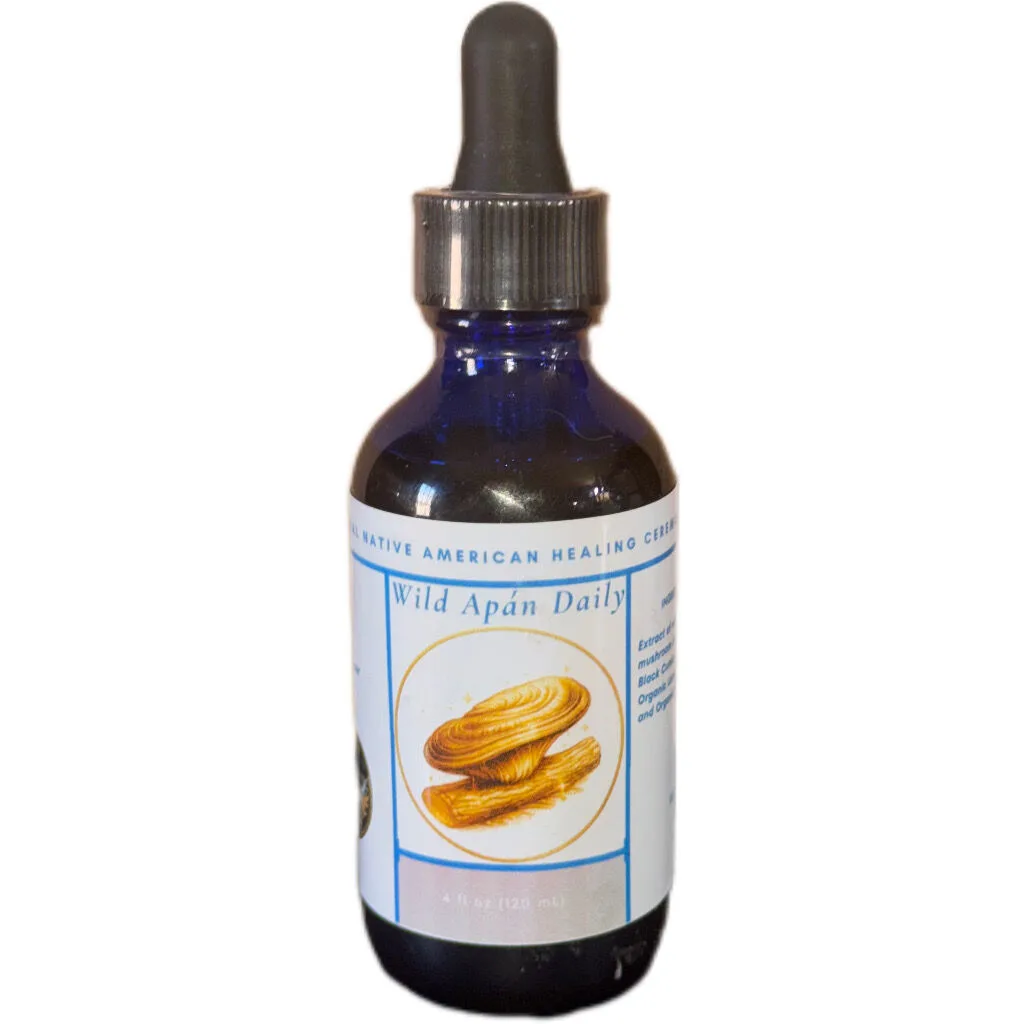
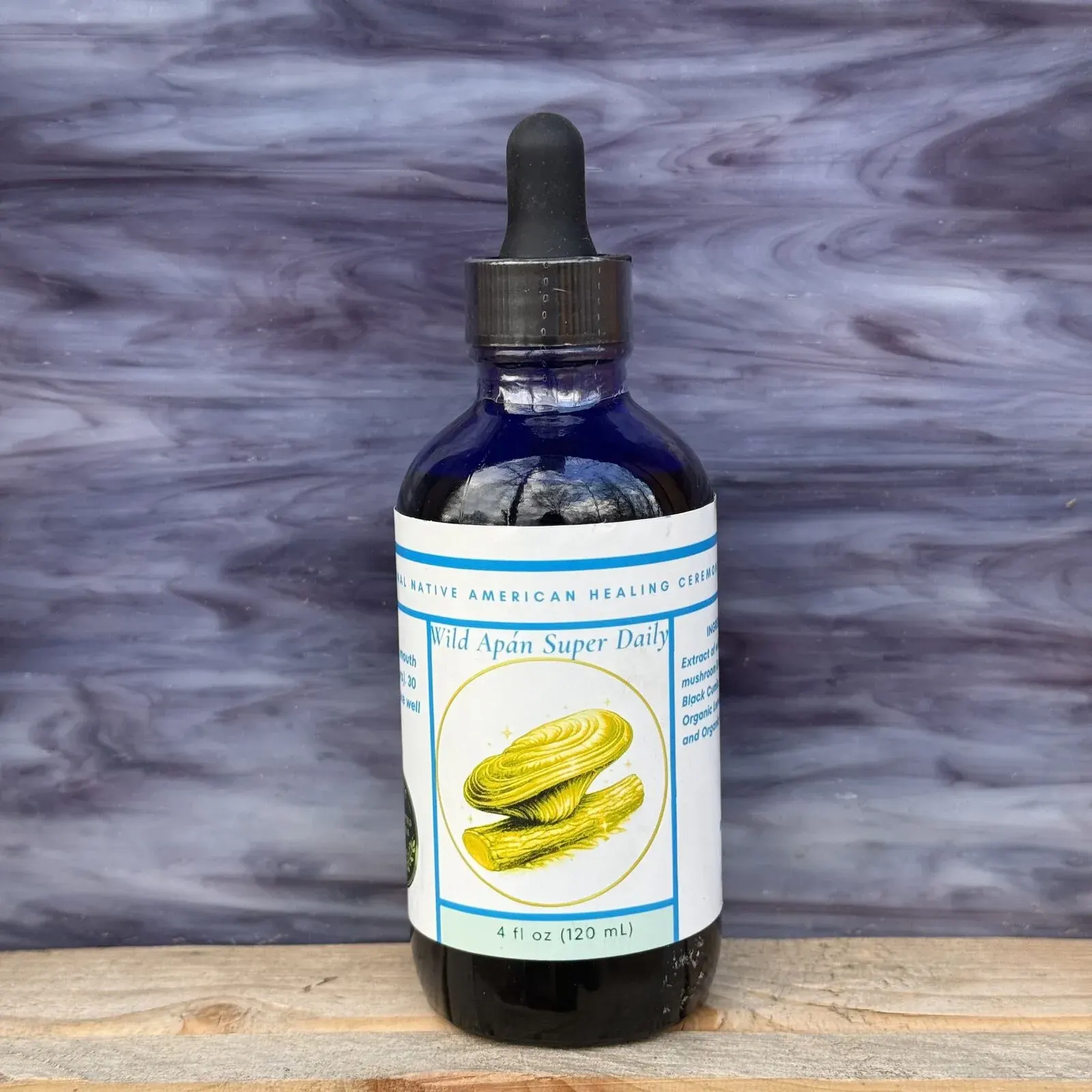
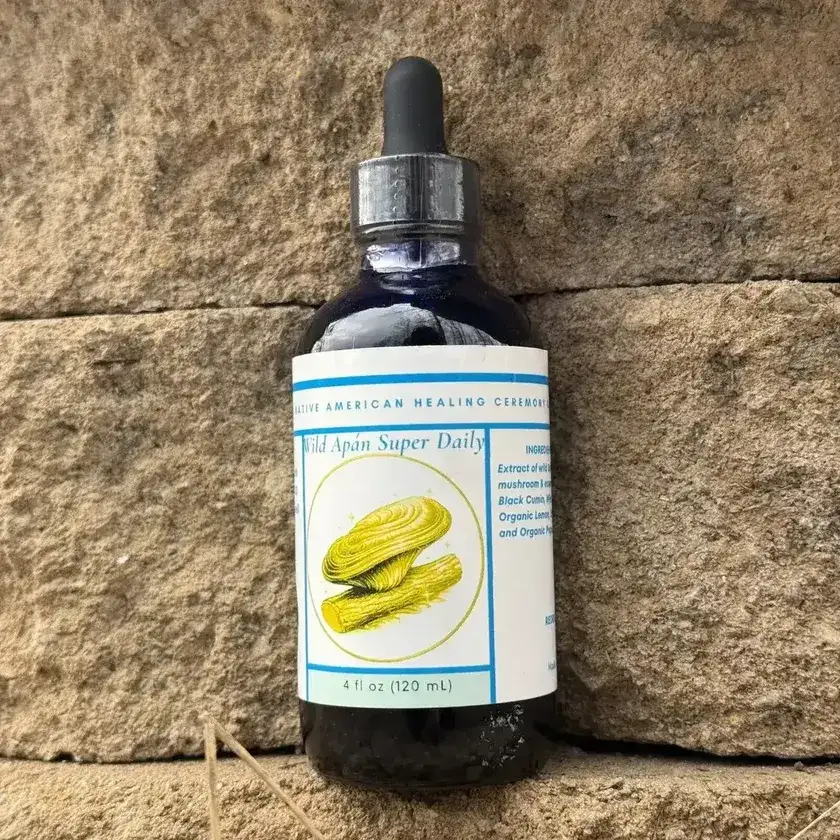
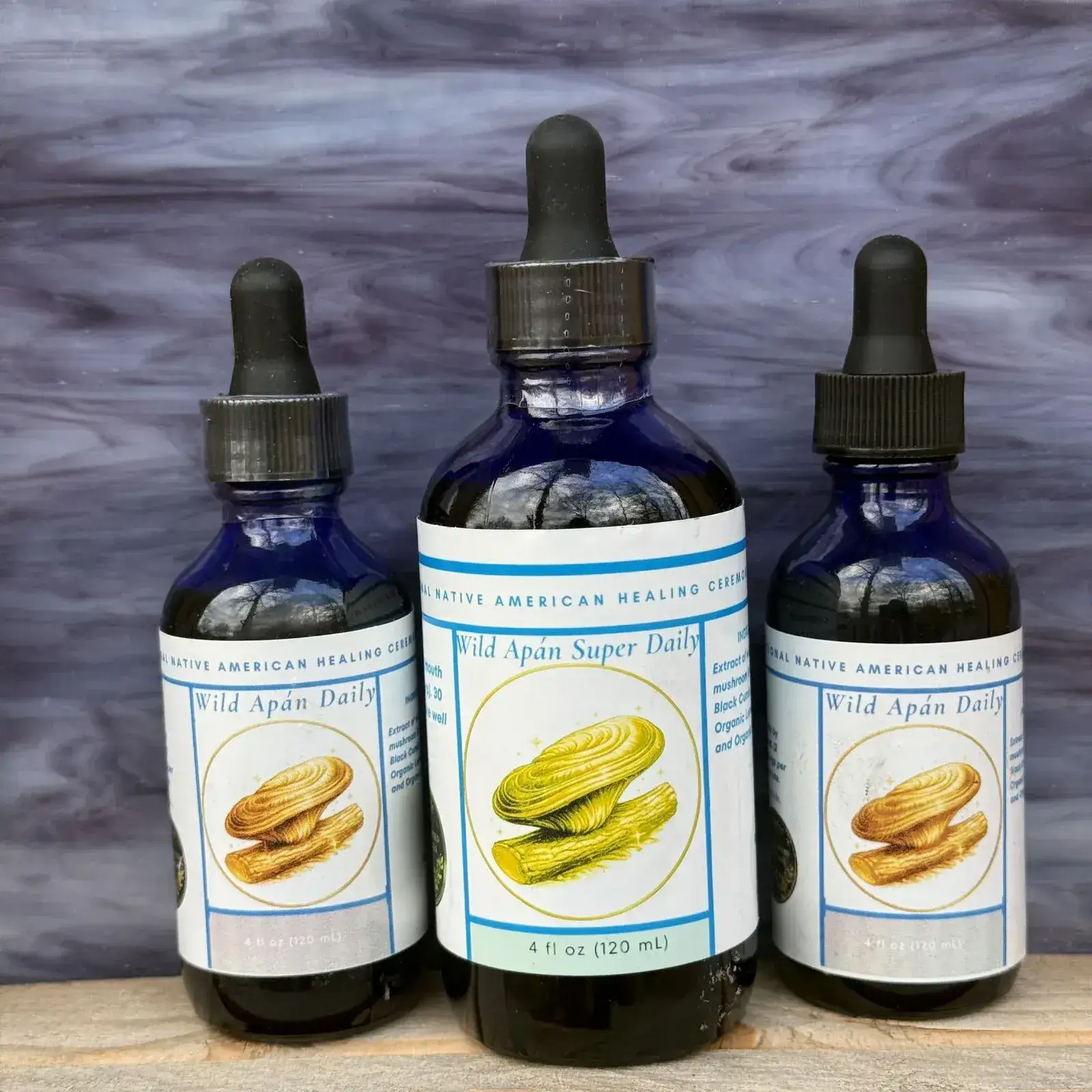
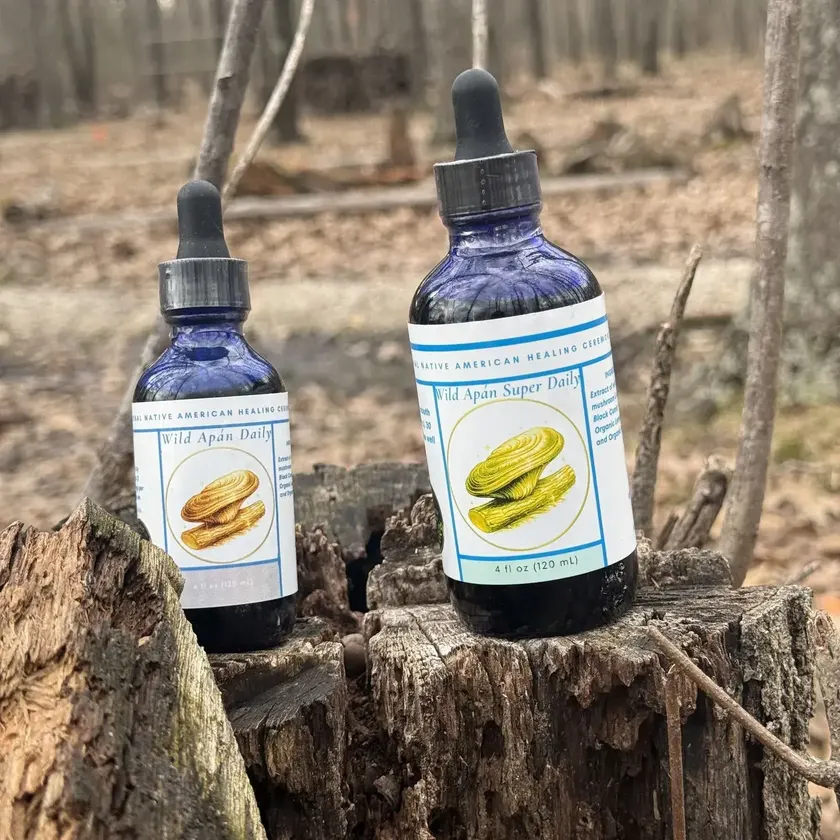
As one of the botanical ingredients in the Apán Super Daily and Apán Daily formulas, organic cinnamon bark essential oil is already part of your routine when you take these supplements daily — no additional preparation needed. The cinnamon contributes both flavor and bioactivity to the complete botanical formulation.
Beyond supplementation, Ceylon cinnamon can be integrated throughout a daily wellness routine in food and beverage form: added to morning coffee or tea, stirred into oatmeal or yogurt, blended into smoothies, or used in cooking. Using Ceylon cinnamon (rather than the cassia variety) is the preferred choice for daily culinary use given its lower coumarin content.
Those interested in cinnamon's potential metabolic wellness dimensions may find it useful to consume cinnamon-containing supplements or foods alongside meals, based on some research examining timing in relation to carbohydrate intake. Within the complete Apán supplement ritual, however, the morning timing simply reflects the most consistent and sustainable daily habit-building approach.