What Is Black Cumin Seed?
Black cumin seed — botanically known as Nigella sativa — is a flowering plant native to South and Southwest Asia whose seeds have been used in traditional wellness, culinary, and cultural practices across the Middle East, North Africa, and South Asia for over 2,000 years. The seeds contain a fixed oil rich in thymoquinone (TQ), the primary bioactive compound responsible for the majority of modern scientific interest in this botanical.
Thymoquinone accounts for 30–48% of the volatile oil content of Nigella sativa seeds and is a naturally occurring quinone compound with potent antioxidant properties. It has been the subject of thousands of published laboratory and preclinical studies over the past three decades, making black cumin seed one of the most research-dense botanicals in the natural wellness category.
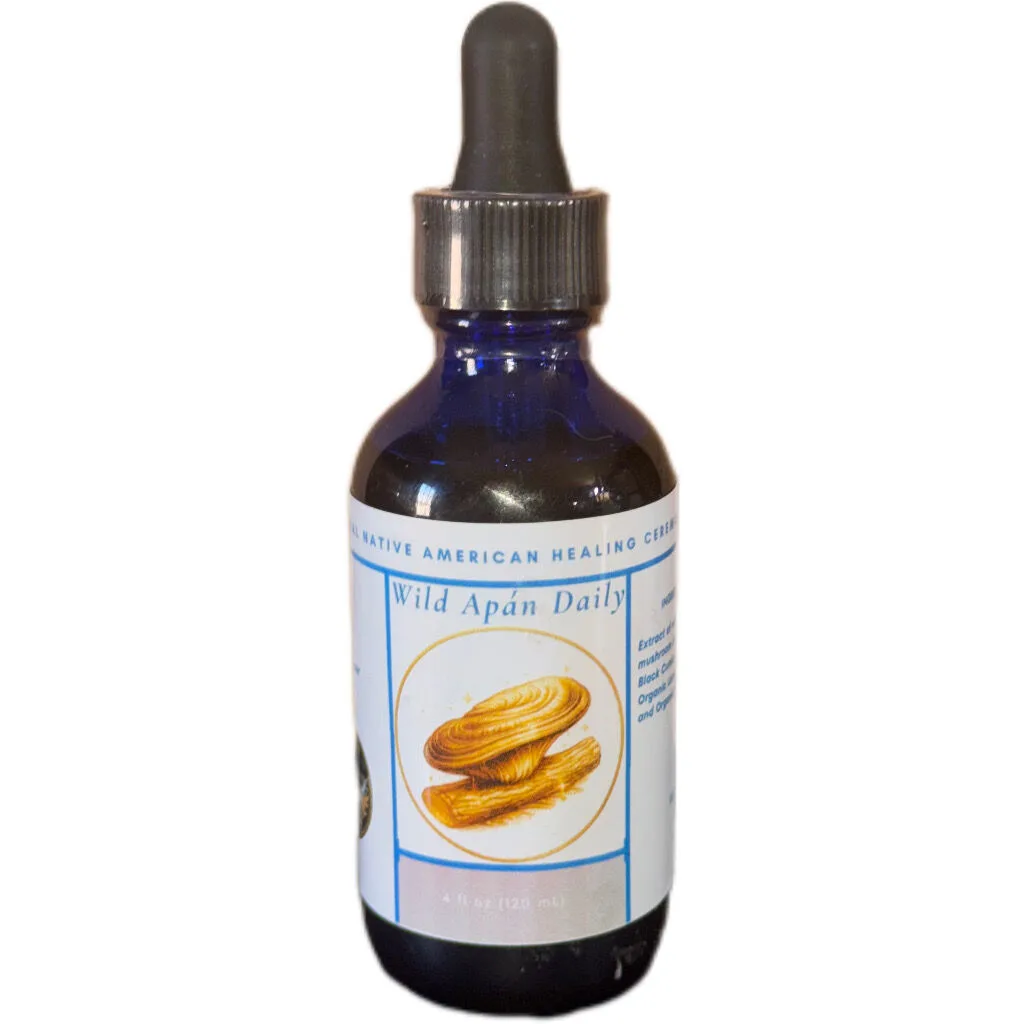
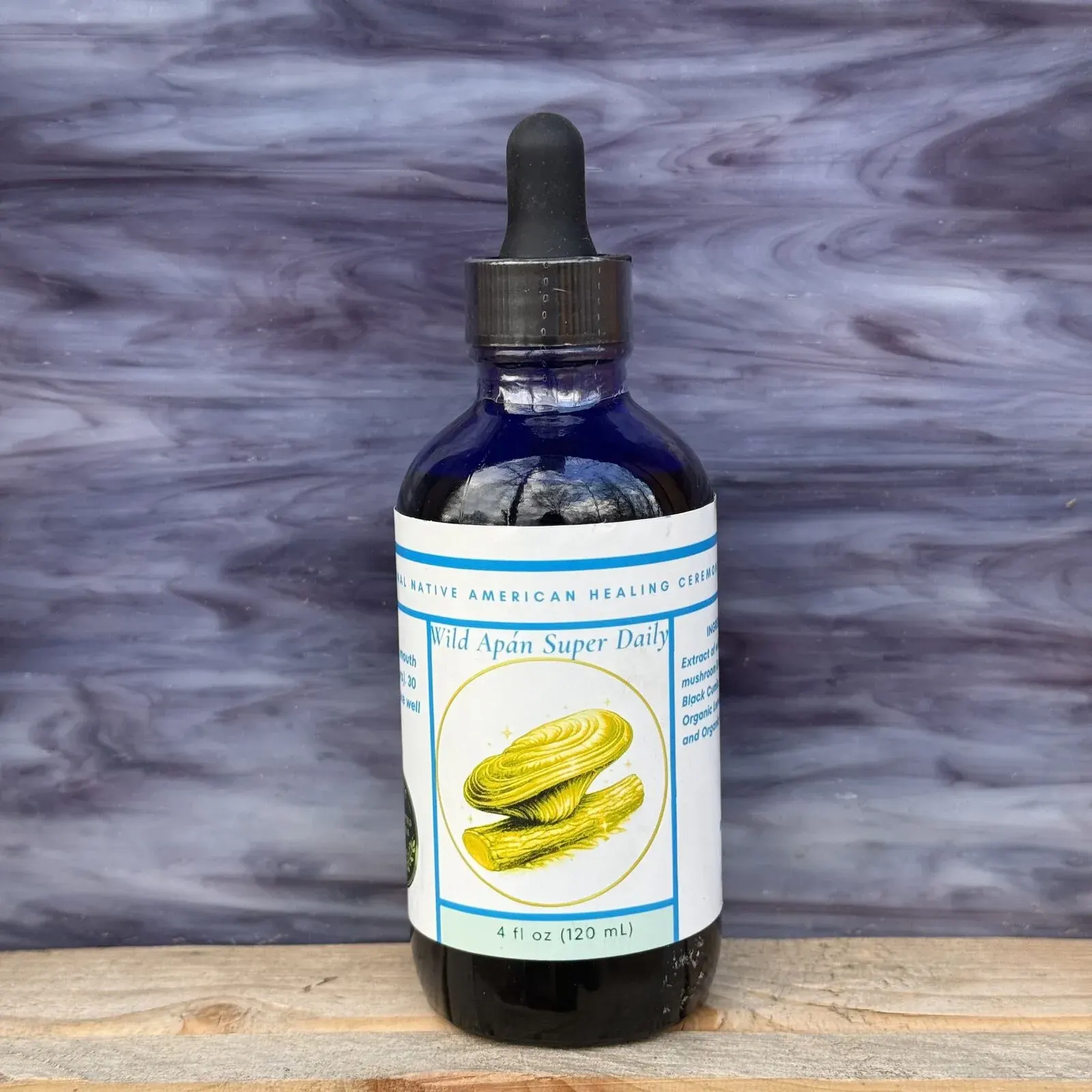
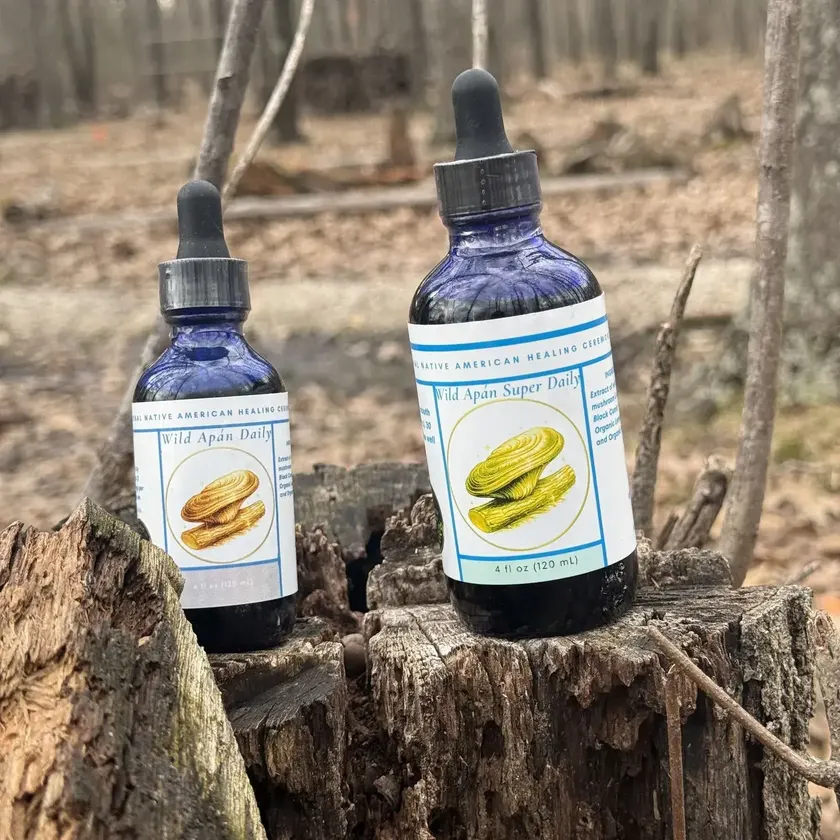
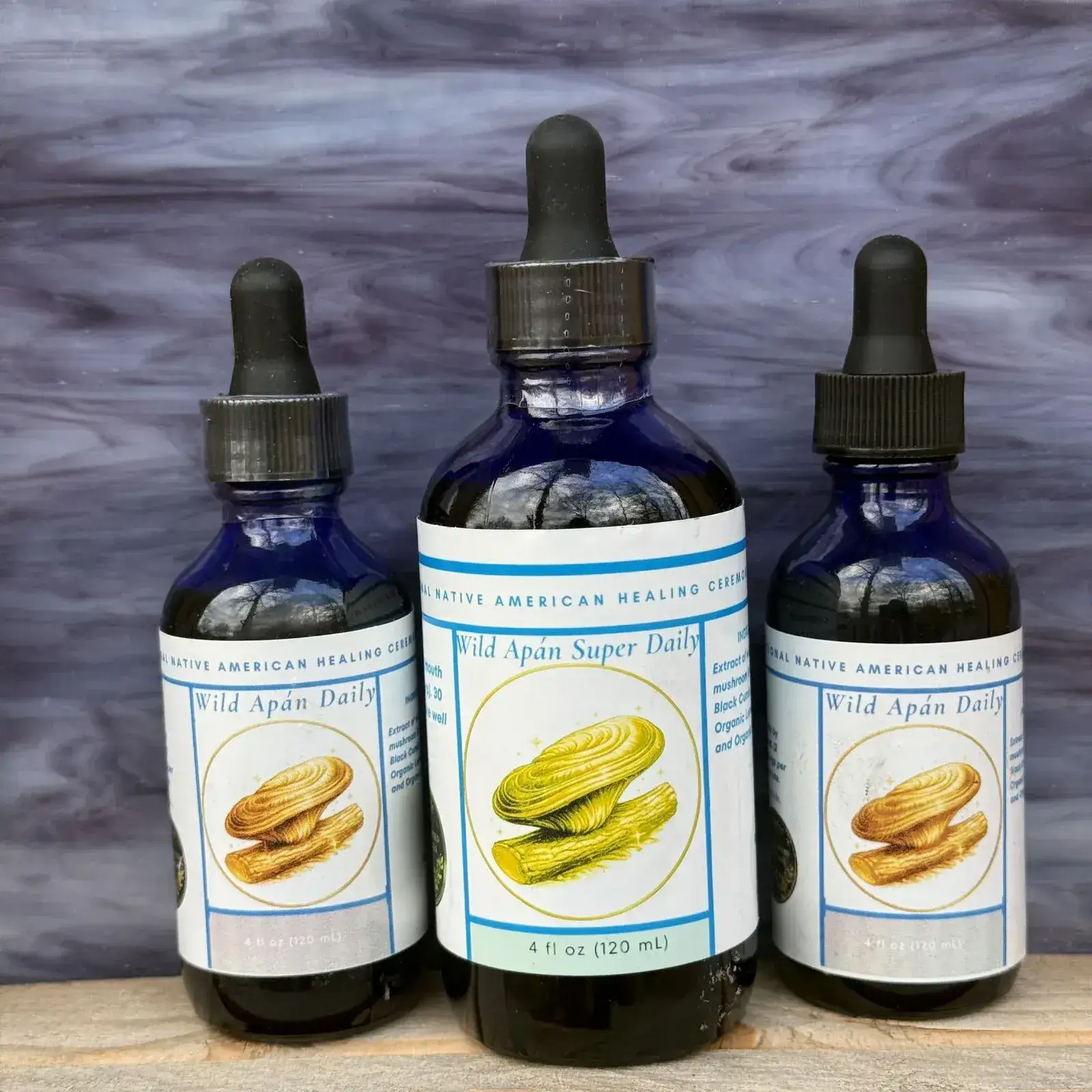
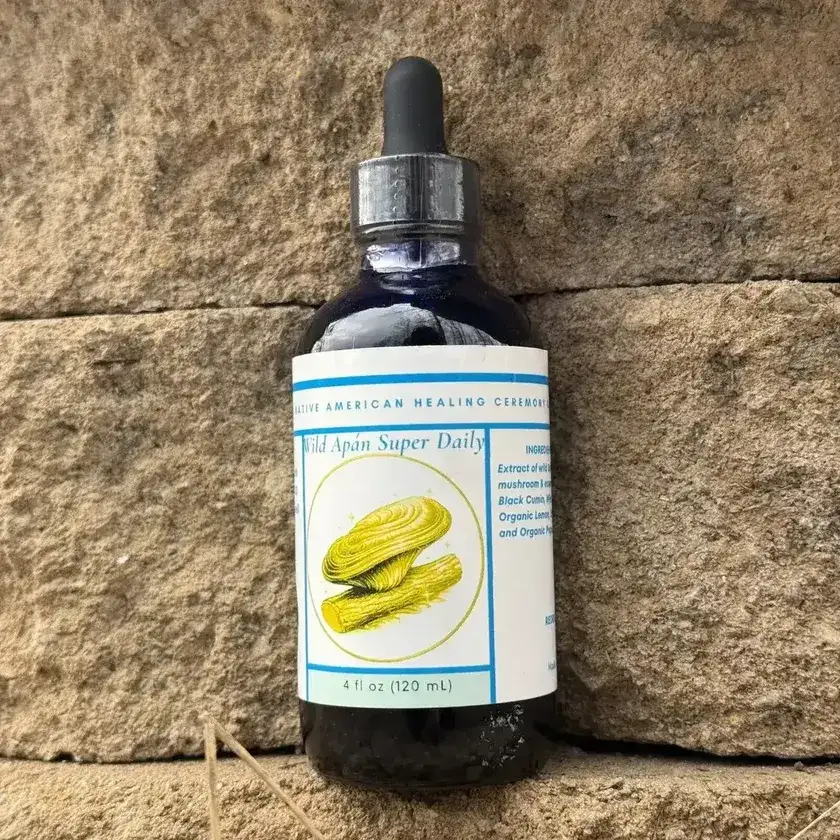
In the Red Road Wellness Apán formulas, organic black cumin seed oil is included alongside the wild mushroom extract as a complementary botanical ingredient. The combination of wild mushroom polysaccharides with the thymoquinone-rich fixed oil of black cumin creates a multi-layered formulation that draws on two distinct but complementary botanical traditions.
Why People Are Interested in Black Cumin Seed
Black cumin seed is among the most extensively studied botanical ingredients in the natural wellness world. A search of PubMed returns thousands of peer-reviewed publications exploring thymoquinone and Nigella sativa extracts across a wide range of biological and wellness contexts — a volume that reflects decades of sustained scientific investment in understanding this plant's properties.
Its long history of traditional use in Unani, Ayurvedic, and Islamic medicine — where it has been referenced as having remarkably broad wellness applications — motivated modern researchers to investigate the mechanisms behind traditional applications. Thymoquinone's antioxidant properties and its interaction with inflammatory pathways have emerged as the primary areas of scientific inquiry.
For consumers seeking botanical supplements with both deep historical roots and meaningful modern research support, black cumin seed represents a compelling combination. Its inclusion alongside Wild Apán mushroom in our formulas reflects our formulation philosophy: ingredients that honor traditional wisdom and contemporary wellness science in equal measure.
Research Overview
Thymoquinone (TQ), the primary bioactive compound in Nigella sativa seed oil, has been the subject of extensive preclinical research and a growing number of human clinical trials, with studies exploring its antioxidant properties and potential roles across multiple wellness domains.
Thymoquinone has demonstrated potent antioxidant activity in laboratory studies, including free radical scavenging capacity and reduction of oxidative stress markers in cell culture models.
Observed in in vitro cell studiesNigella sativa seed oil and thymoquinone have been studied for their potential role in supporting healthy inflammatory response pathways through interaction with NF-κB and cyclooxygenase enzyme systems.
Observed in laboratory and animal studiesSome clinical trials have examined Nigella sativa supplementation in human subjects for markers of metabolic and cardiovascular wellness, with several peer-reviewed publications reporting statistically significant improvements in measured outcomes.
Referenced in peer-reviewed clinical literatureBlack cumin seed oil has been studied for antimicrobial activity against a range of bacteria and fungi in controlled laboratory settings, with thymoquinone identified as the primary active agent.
Observed in in vitro laboratory studiesHow Black Cumin Seed Fits Into a Wellness Routine
In the Apán Super Daily and Apán Daily formulas, organic black cumin seed oil is already fully integrated into the formulation — no additional sourcing or preparation is needed. The oil is blended with the wild Apán mushroom extract and the other botanical ingredients into a single daily liquid supplement.
Those who wish to supplement black cumin seed oil independently can find it as a standalone product in oil or capsule form. When evaluating standalone products, look for cold-pressed, organic-certified oil that specifies thymoquinone content and discloses the sourcing region and species (Nigella sativa is the correct species; avoid products that conflate it with cumin or caraway).
Black cumin seed has a distinctive earthy, slightly bitter flavor with peppery notes. In the Apán liquid formula, its flavor profile integrates with cinnamon bark, peppermint, and frankincense to create a complex botanical taste. If taken directly, mixing into juice or water helps balance the intensity.